Dodoma, Tanzania
Location & Hydrogeology
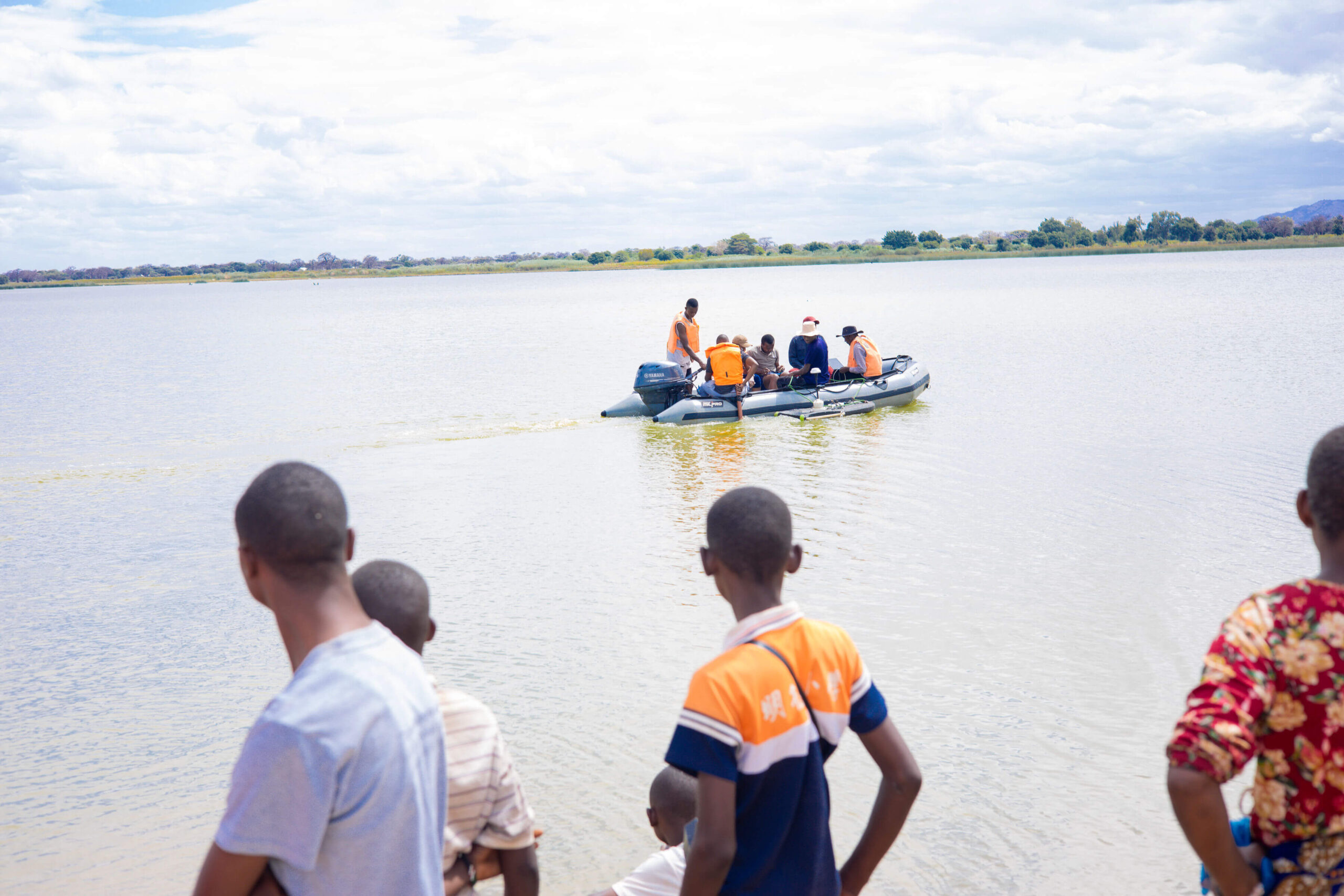
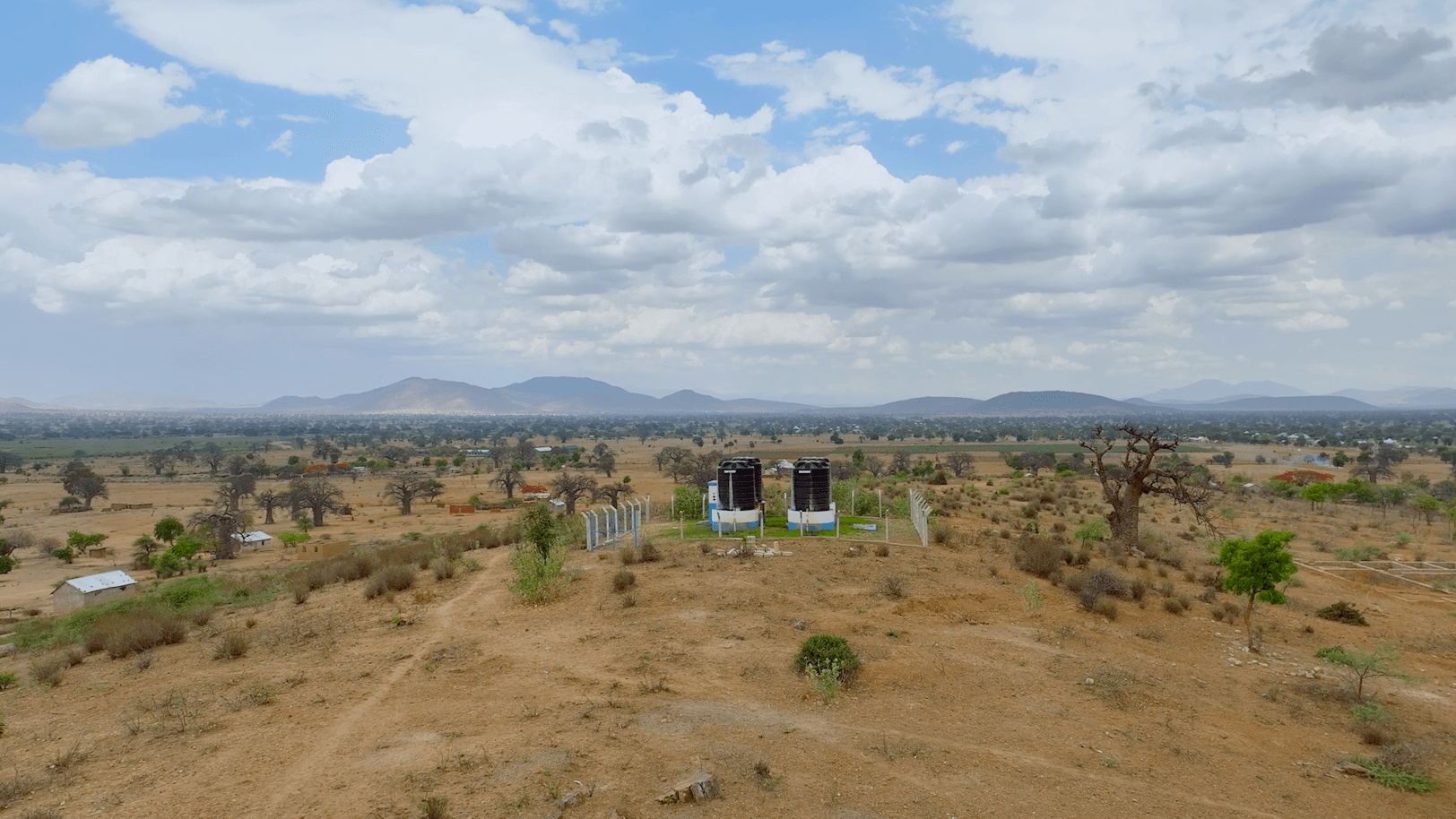
Semi‑arid central Tanzania underlain by crystalline‑rock aquifers. Dodoma’s only perennial water source is the Makutupora Wellfield, supplying both the city and surrounding villages.
Climate
Mean annual rainfall ~550 mm (Dec–Apr), highly variable year‑to‑year
Challenges
Supply–Demand Gap
Urban growth outpaces recharge; peak dry‑season demand 30 % above sustainable yield.
Extreme Variability
Heavy storms drive recharge pulses, but long dry spells lead to sharp water‑table drops.
Agricultural Stress
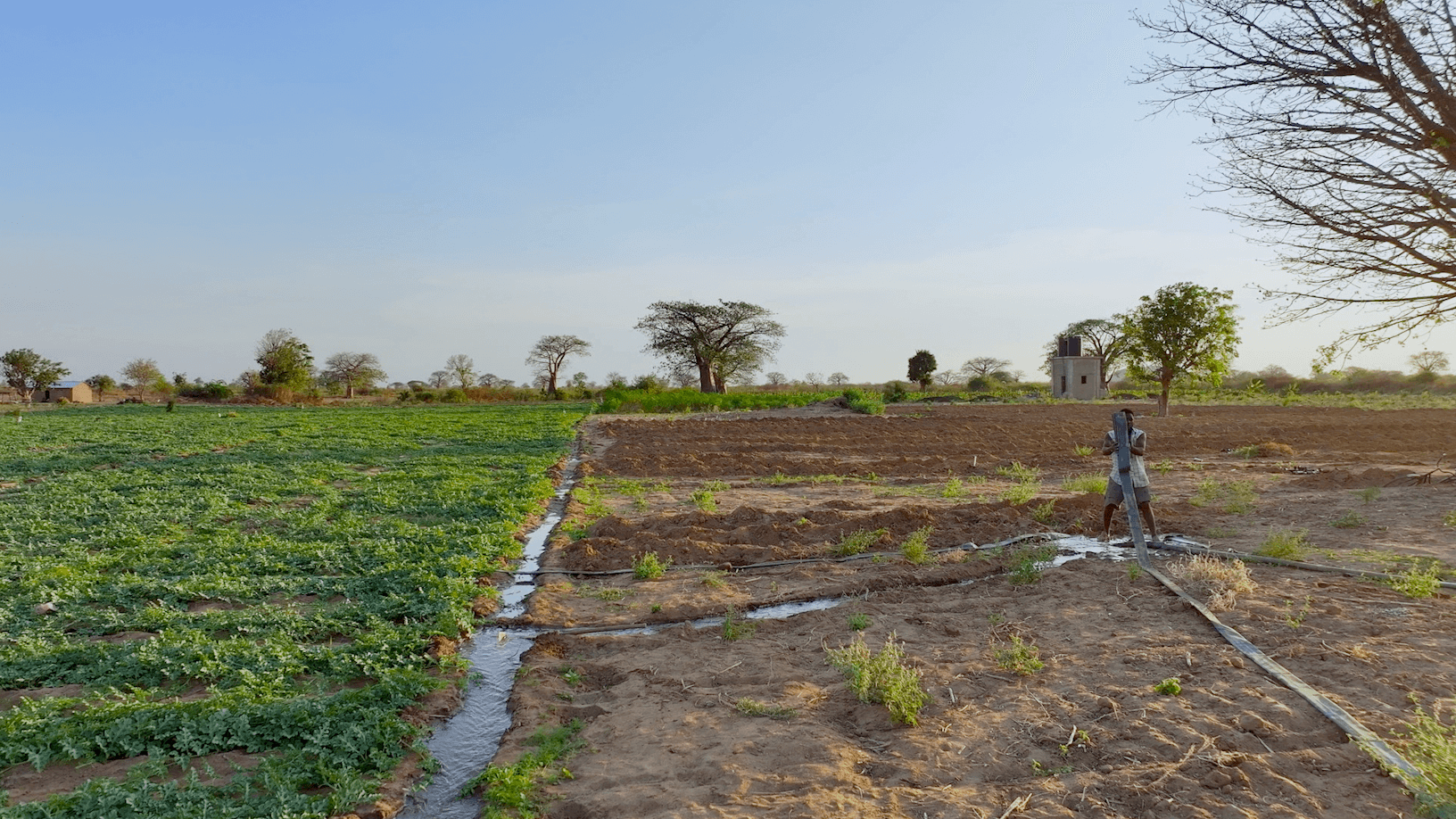
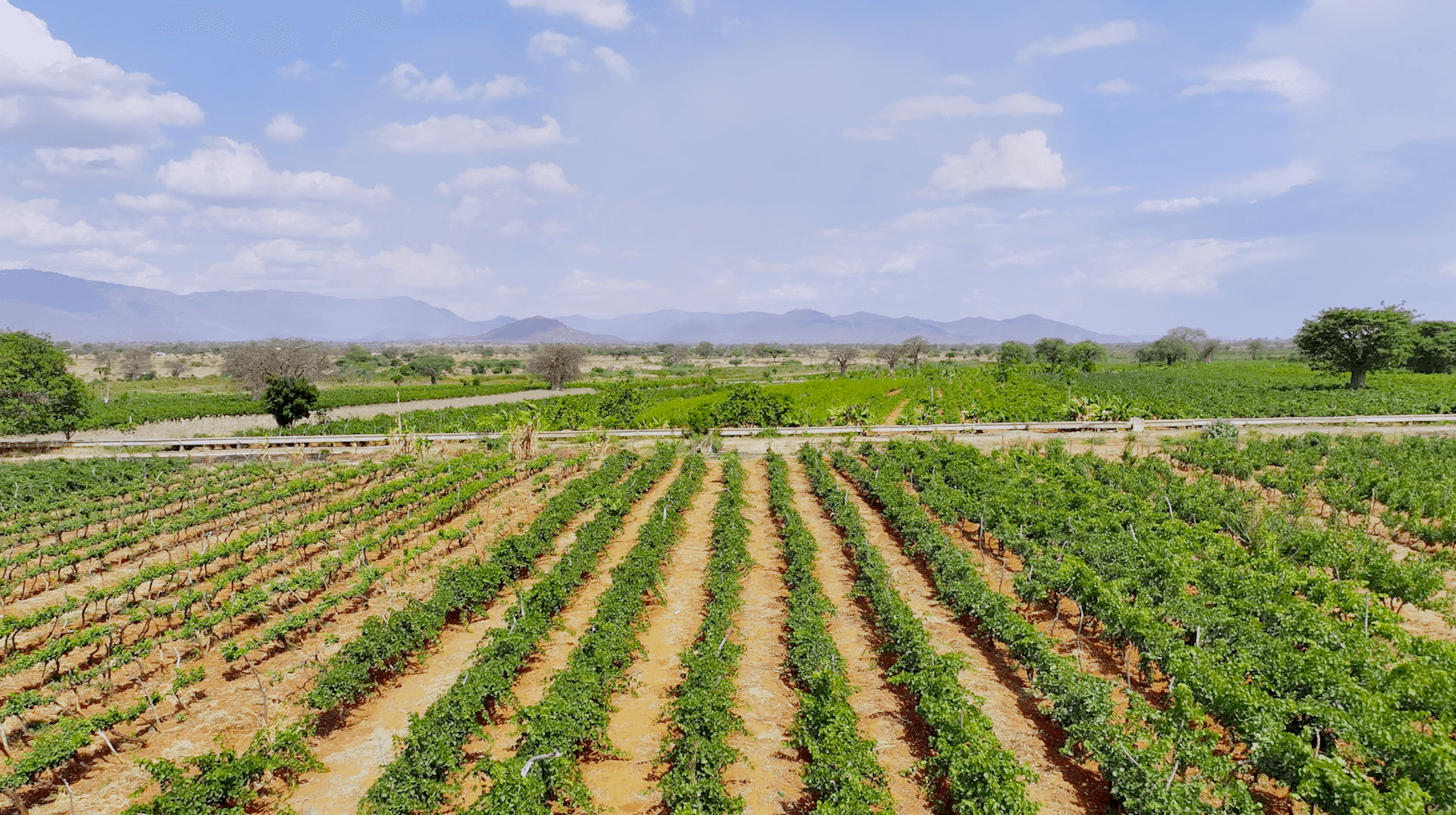
Smallholder farmers’ borewells compete with urban abstraction, risking supply interruptions.
Co‑creation Process
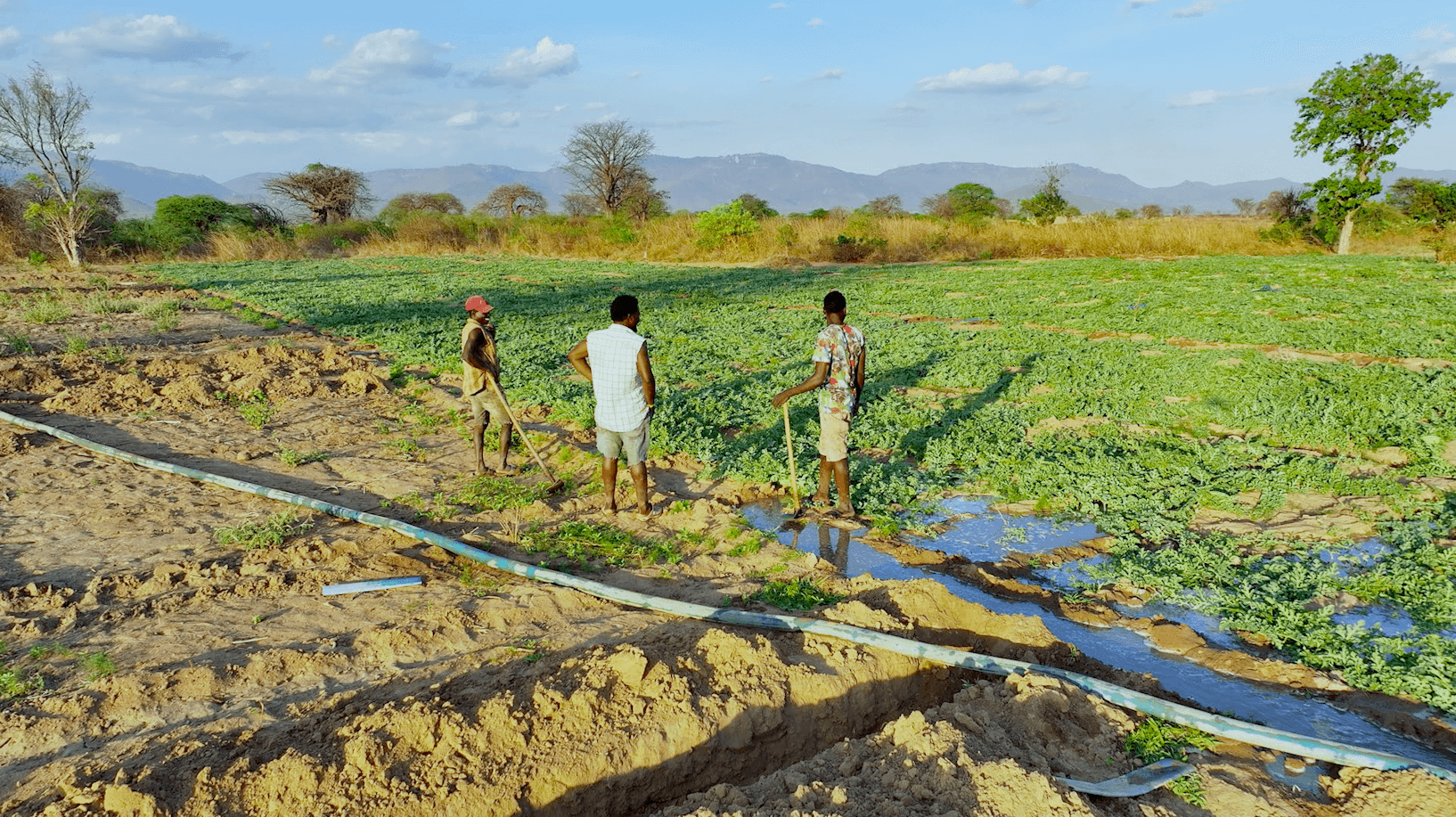
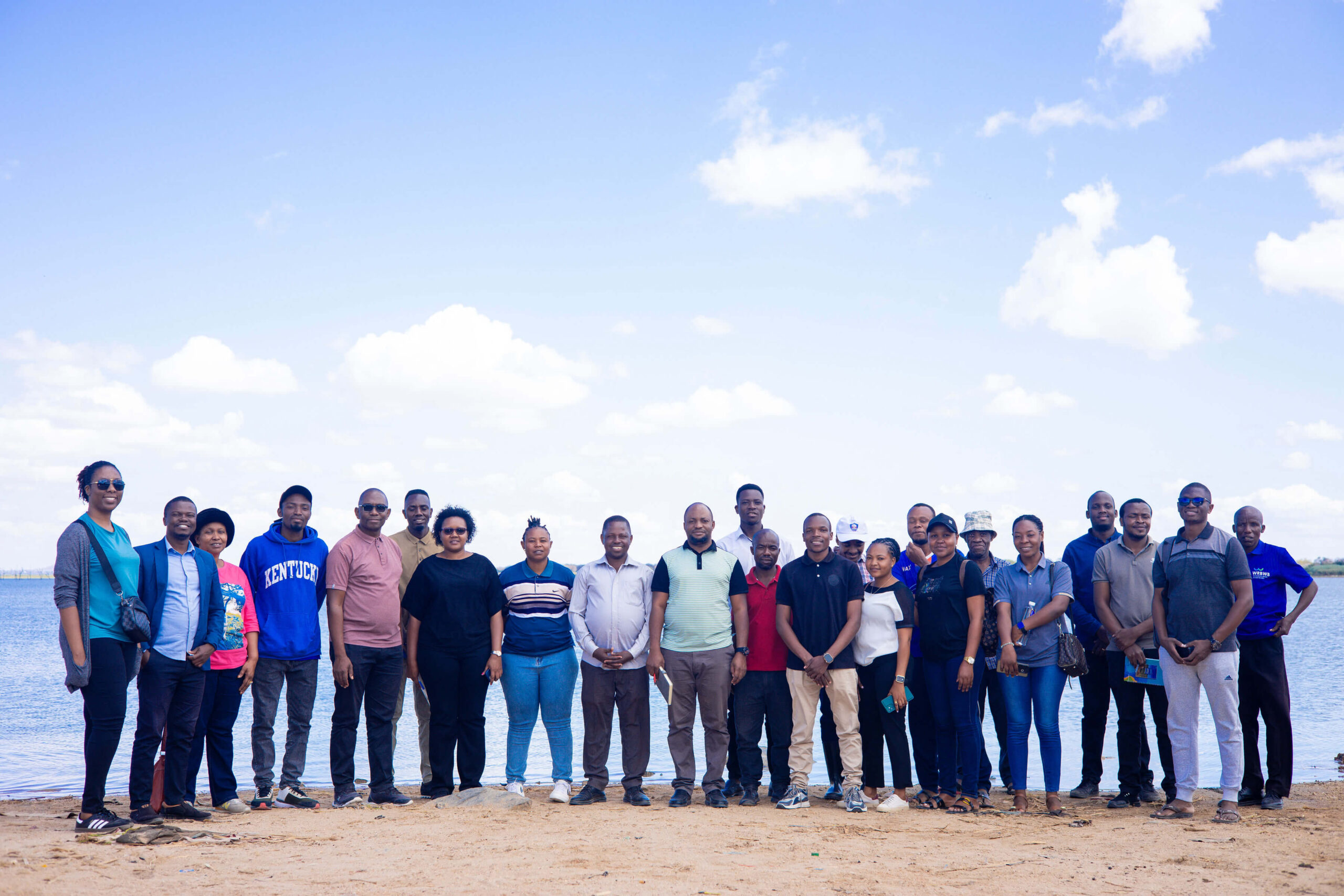
Stakeholder Workshop
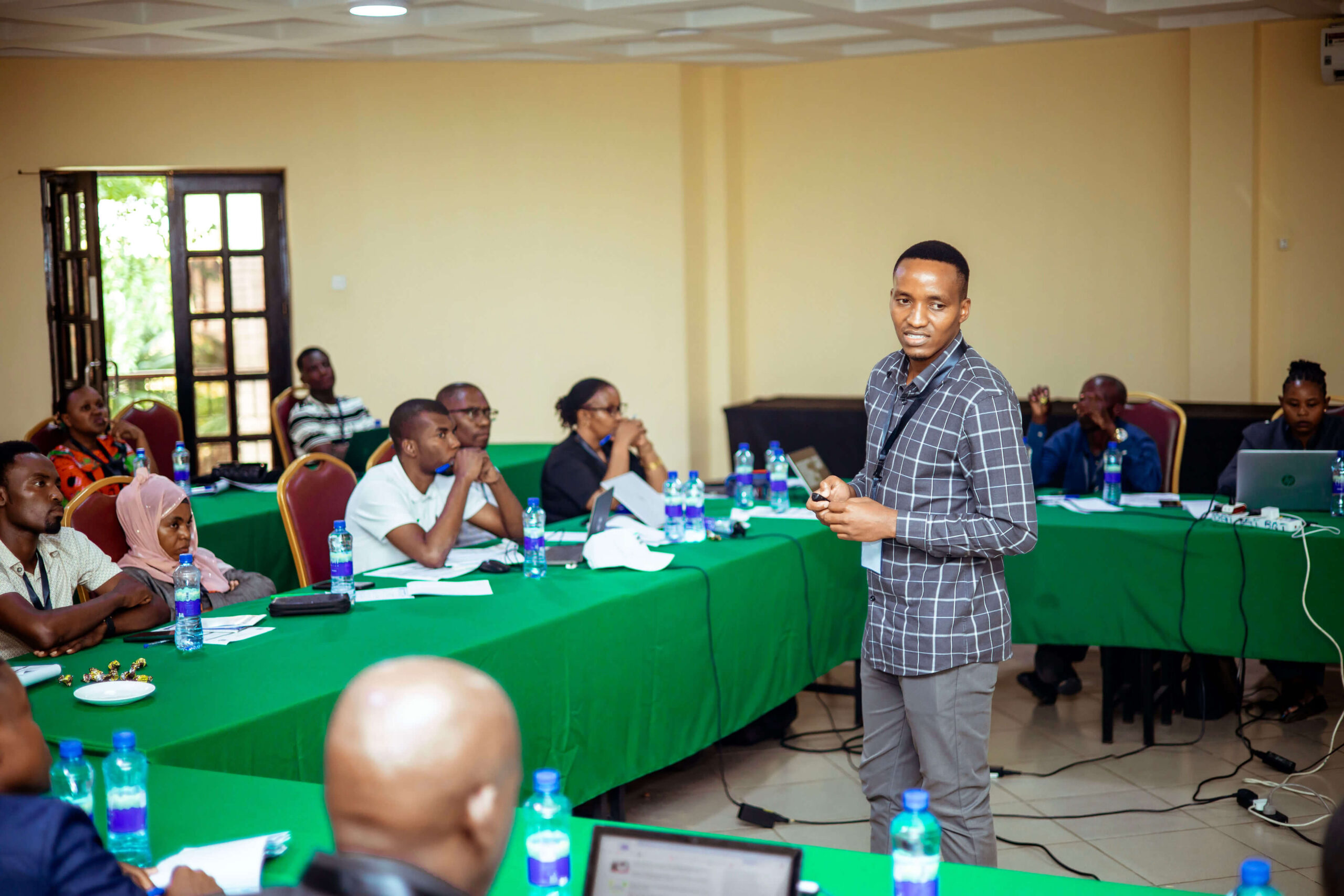
Convened DUWASA, Ministry of Water, NGOs, and farmer groups to map abstraction hotspots.
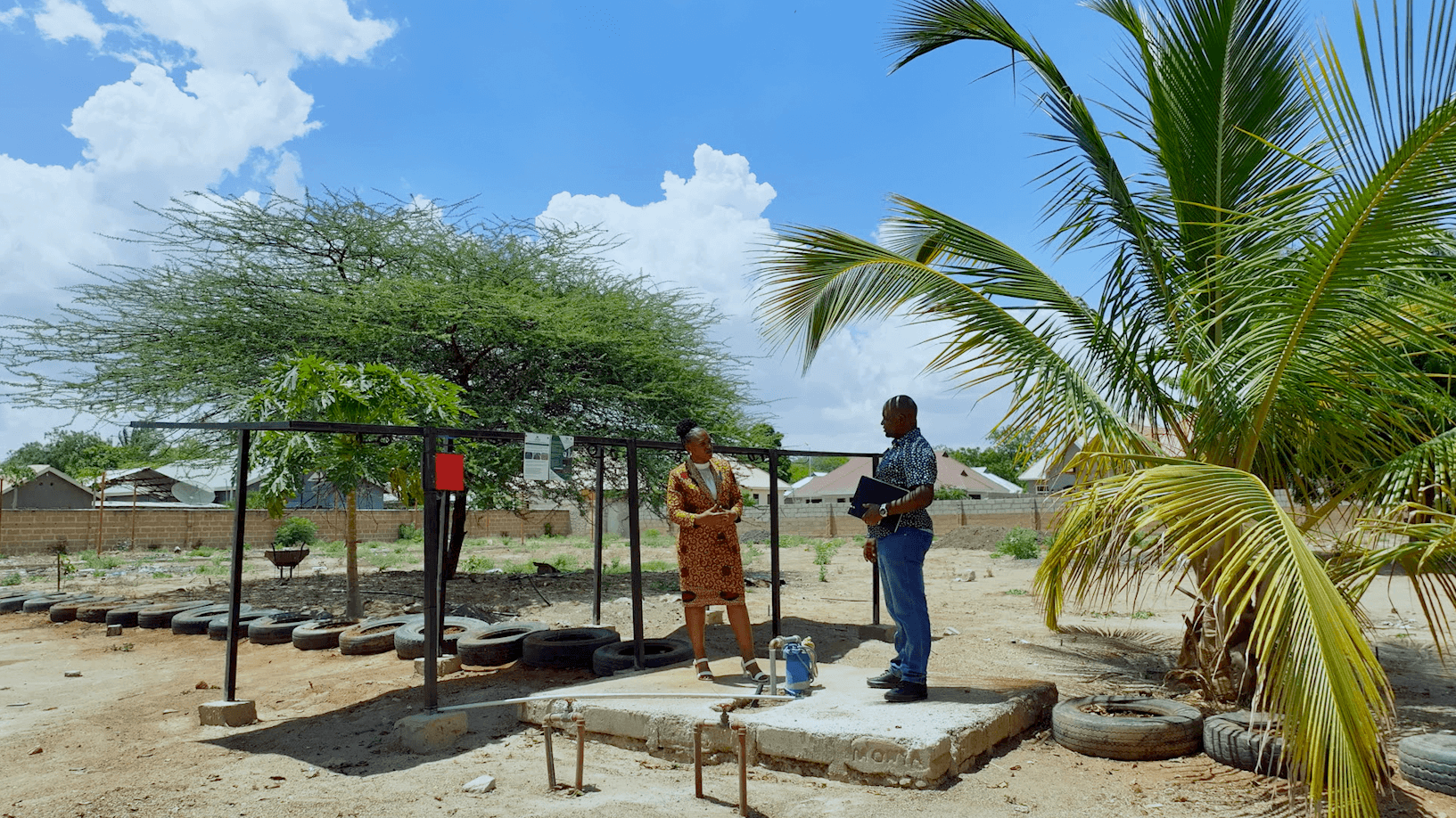
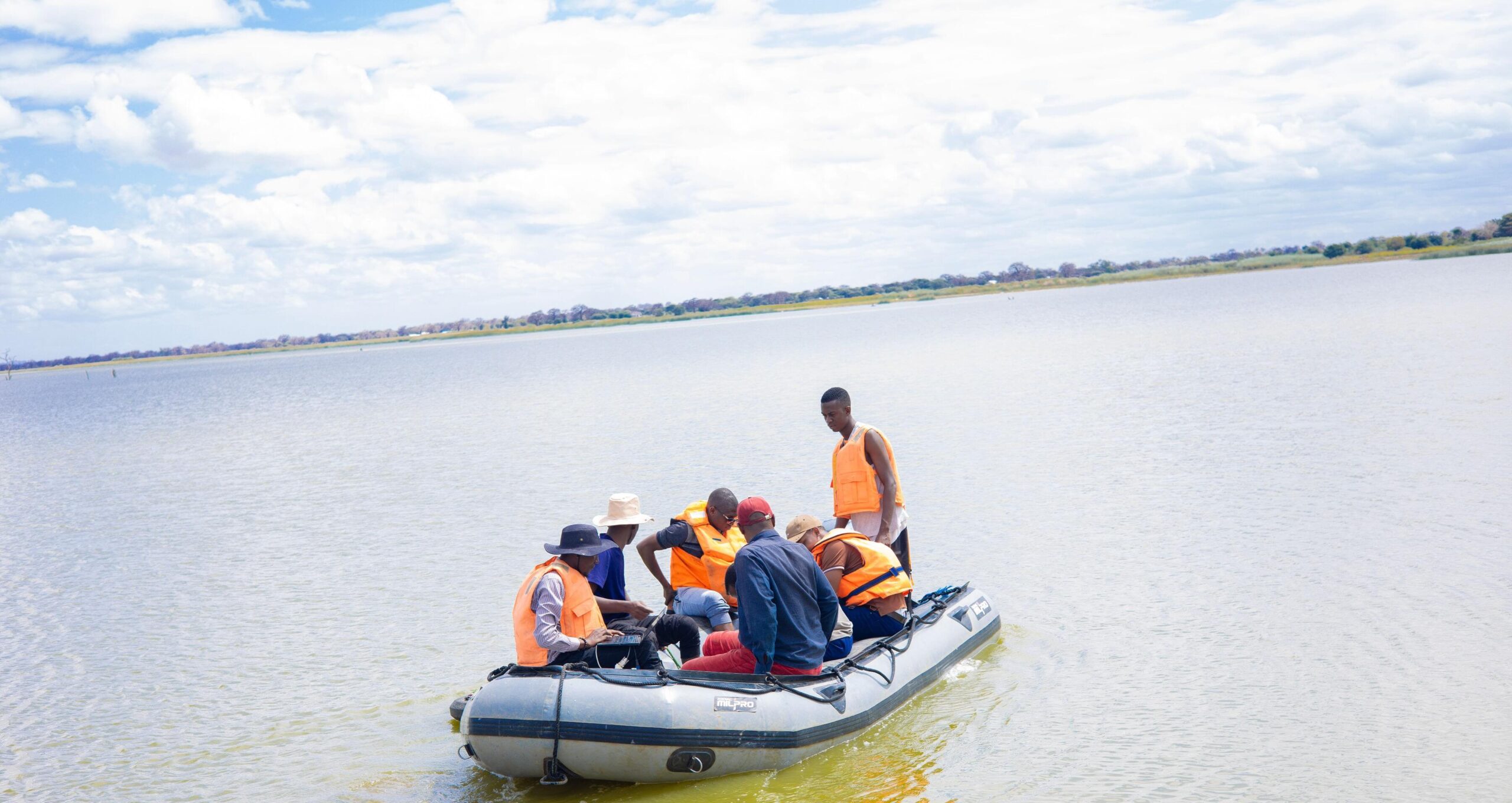
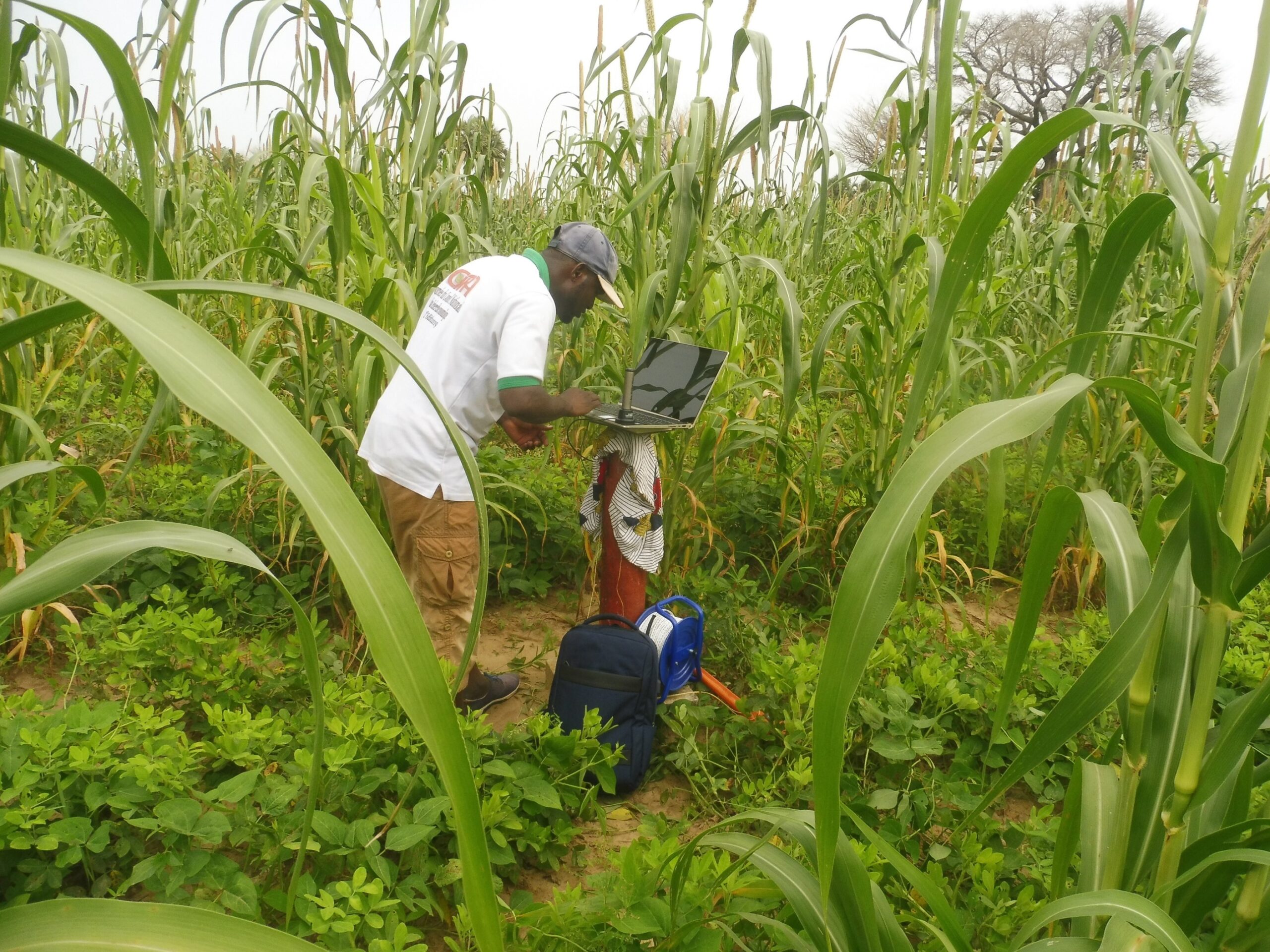
Para‑hydrologist Training
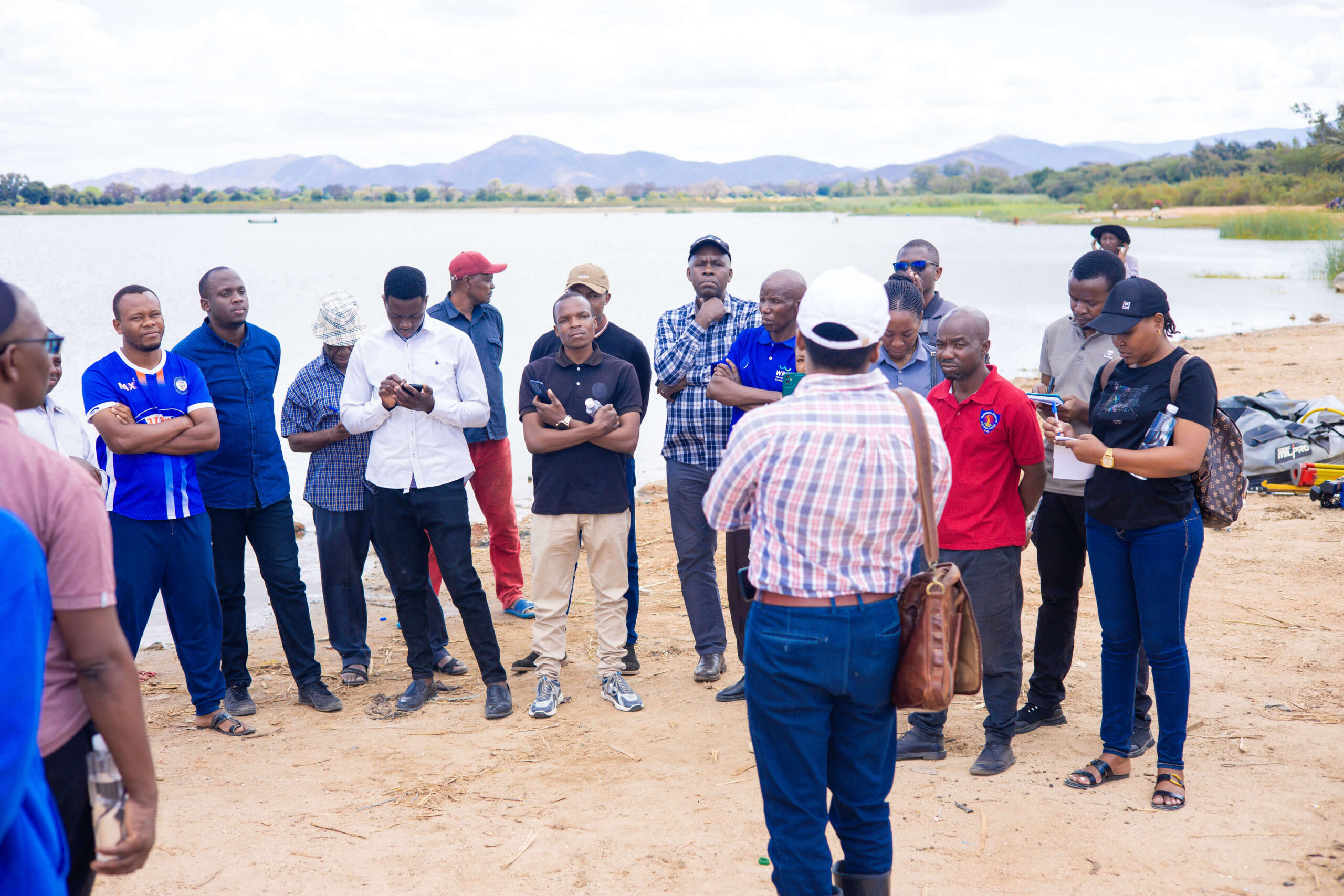
Local community members learned to log water‑level readings and rainfall data.
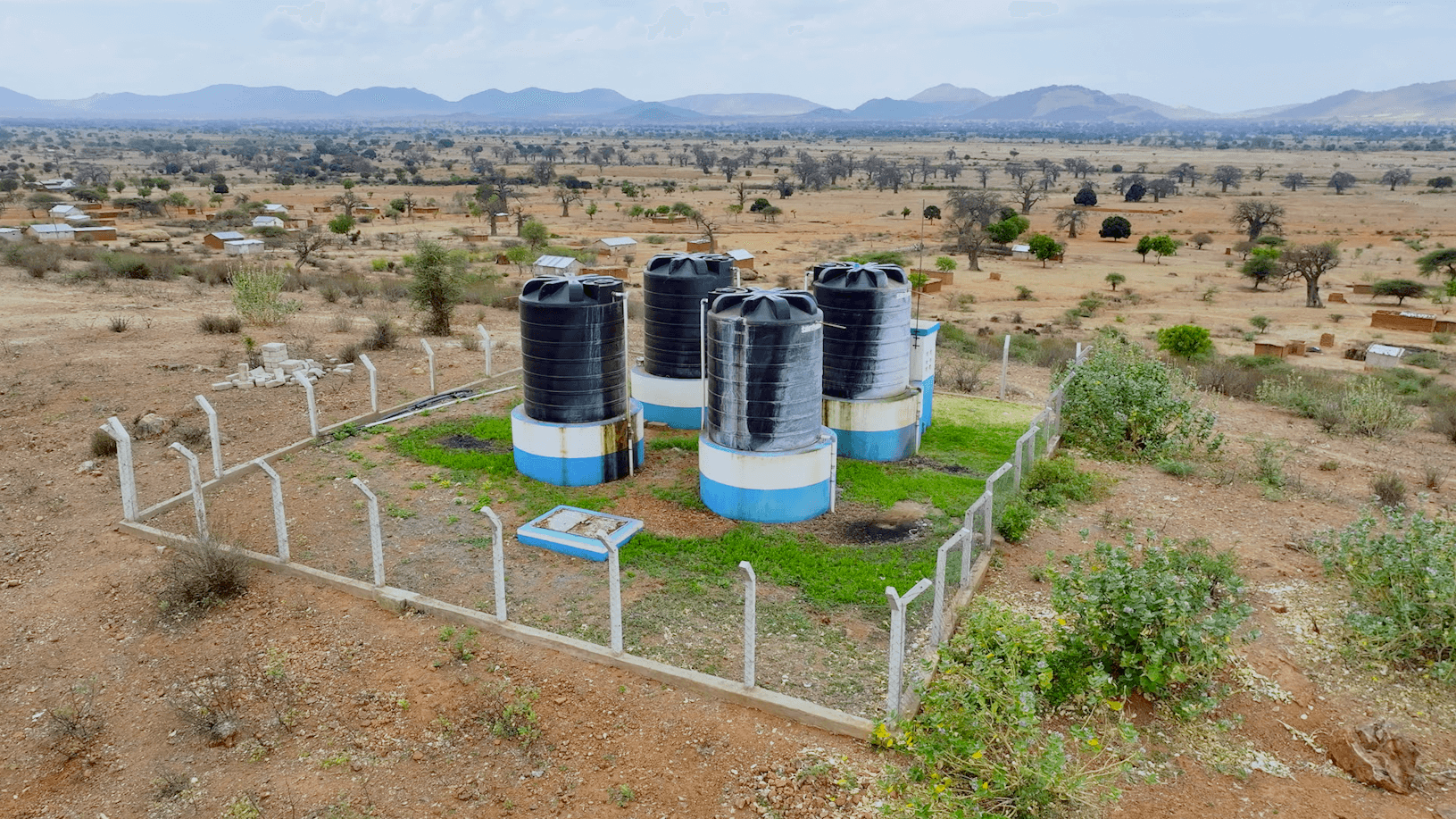
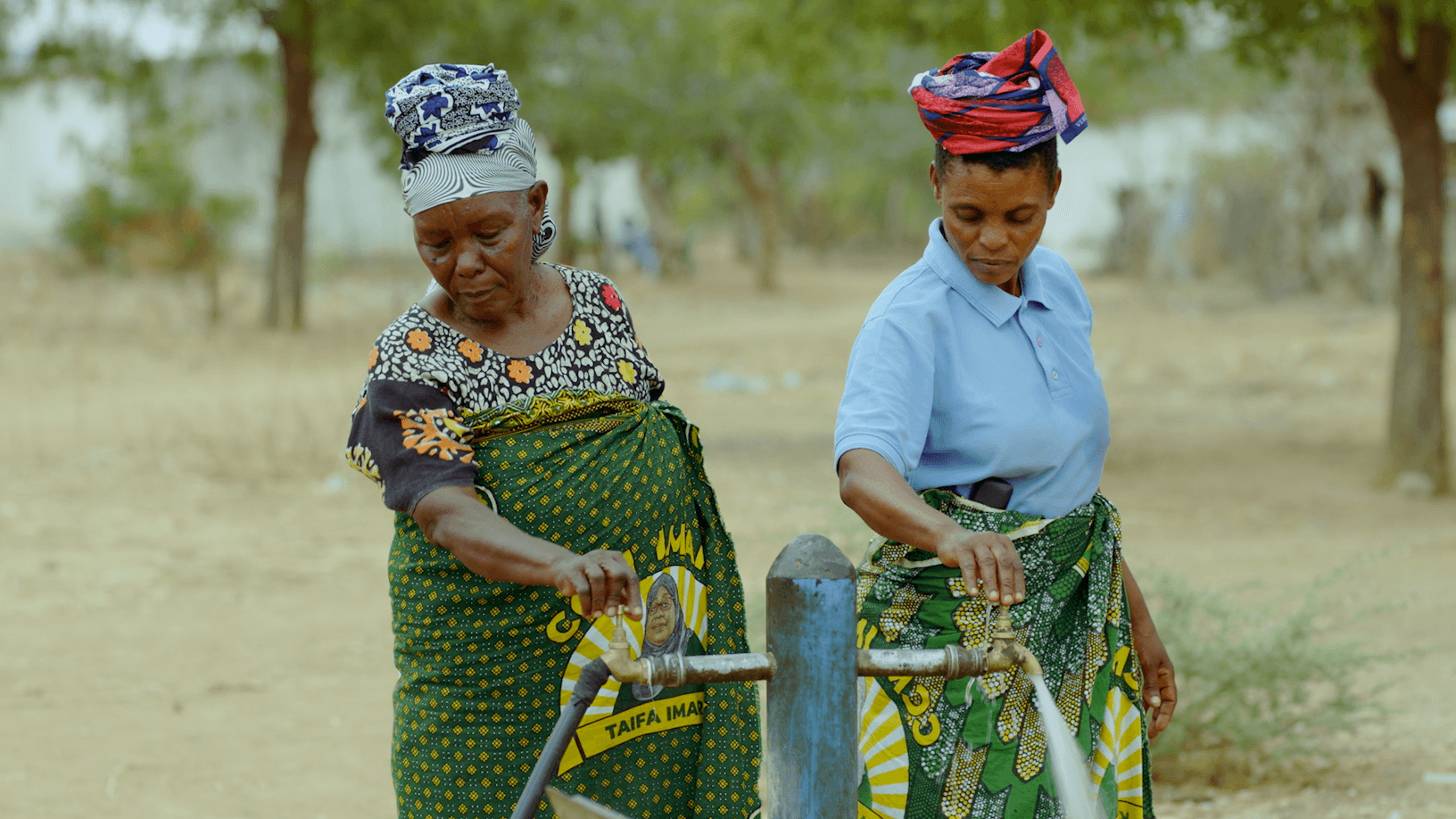
Video Diaries
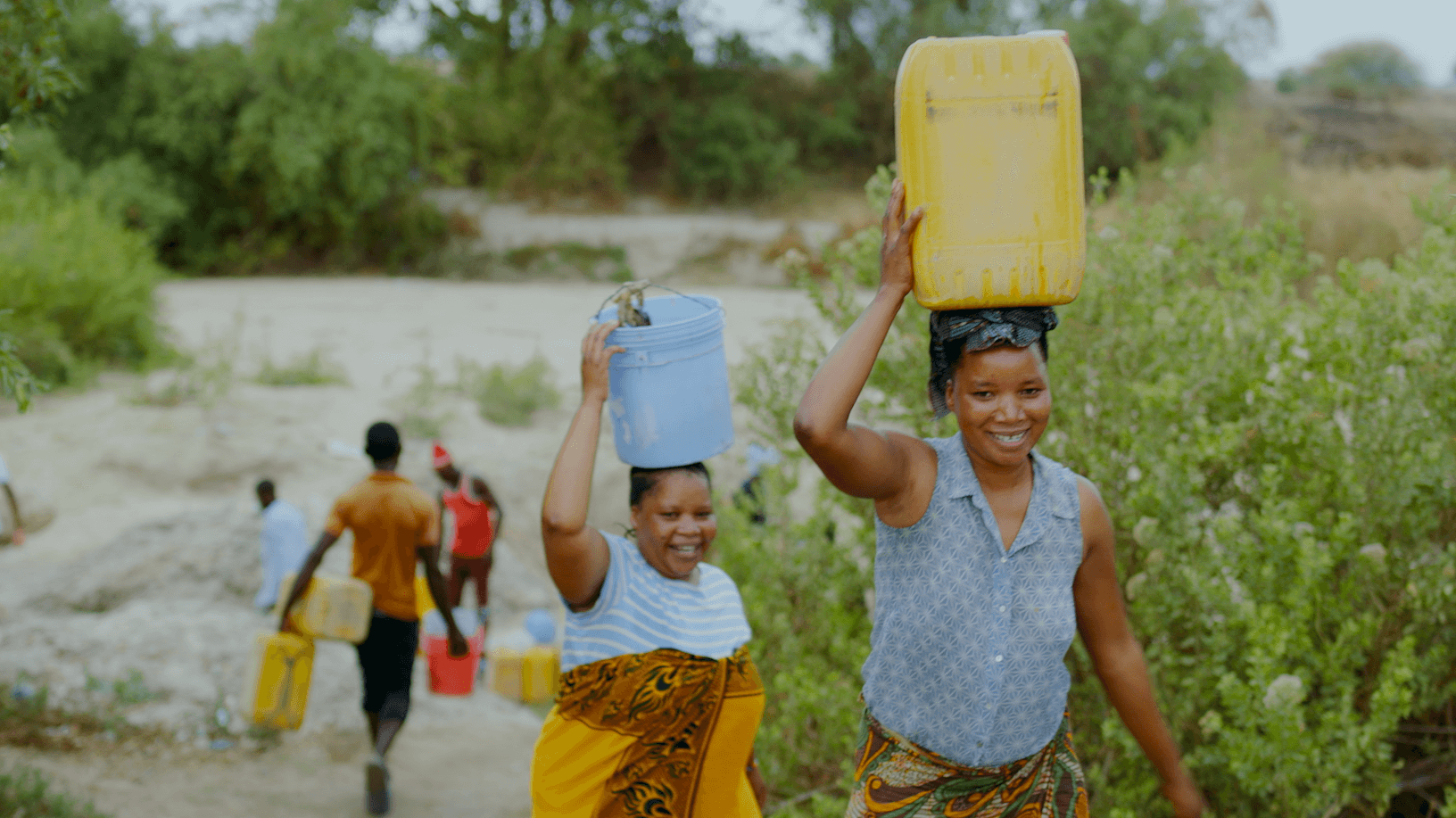
Farmers and women’s groups recorded daily water‑access stories, highlighting gendered impacts.
Solution Pathways
Managed Aquifer Recharge (MAR) Pilots
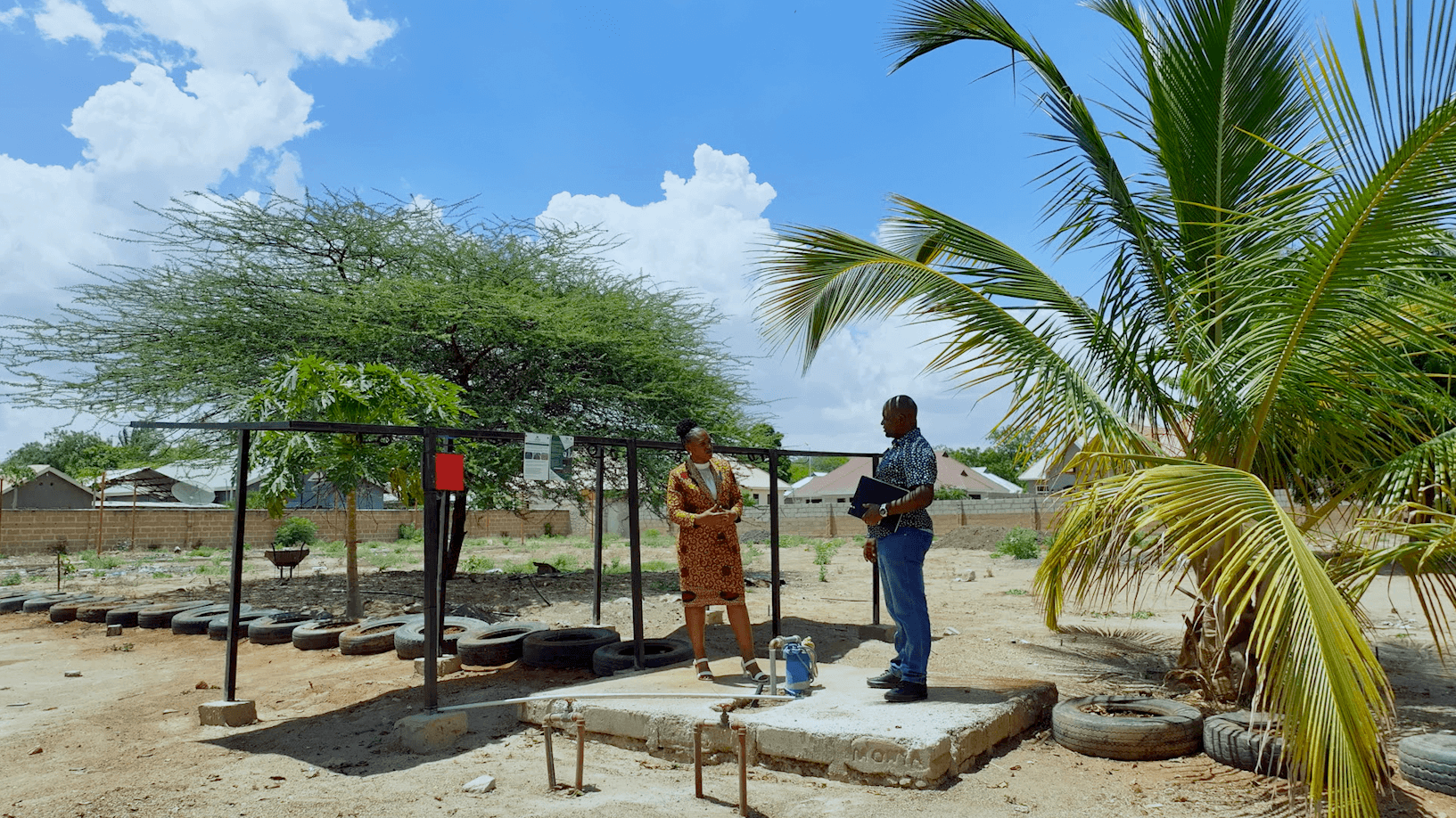
Constructed shallow recharge basins to capture stormwater, increasing dry‑season yield by 15 % in pilot areas.
Conjunctive‑Use Modeling
Developed a model integrating wellfield pumping schedules with recharge forecasts to optimize drawdown rates.
Community Monitoring Network
Deployed 25 low‑cost sensors linked to a mobile dashboard, enabling near‑real‑time alerts when water levels dip below thresholds.
Key Impacts & Statistics
15 % increase
in average dry‑season supply in MAR pilot zones.
25 % reduction
in unregulated pumping events logged by the community sensor network.
Empowered DUWASA
to integrate model outputs into their 5‑year water‑security plan.