• Home
  • Approach / Methodology
  • T-labs
    • Dodoma, Tanzania
    • Maradi-Katsina, Niger/Nigeria
    • Chintamani-Chikkaballapur, India
    • Raichur, India
  • Publications
  • About Us
Bridging Knowledge & Action: The Community Hydrology Approach (WELL Labs)

Bridging Knowledge & Action: The Community Hydrology Approach (WELL Labs)

by cfh_admin | Oct 29, 2025 | Publications

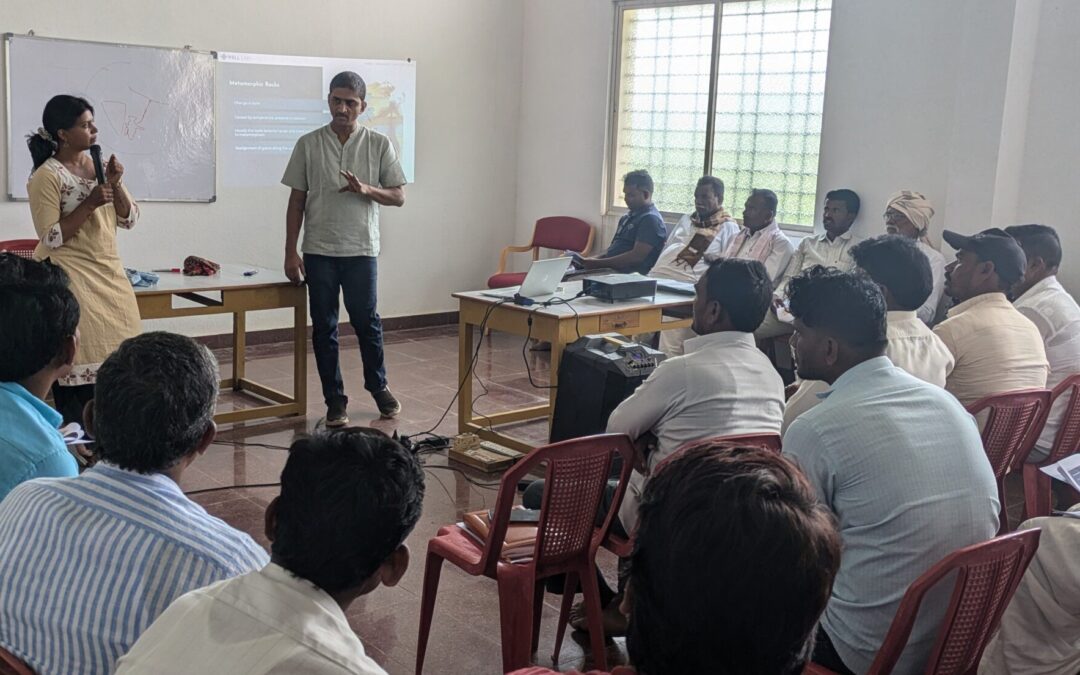
WELL Labs’ Community Hydrology programme demonstrates a simple but powerful idea: equip local people to collect the data that decision-makers actually need. Over the programme’s first training in Devadurga taluk, Raichur district, 35 participants learned to survey...
Addressing the Labour Barrier in the Transition to Crop Diversification (WELL Labs)

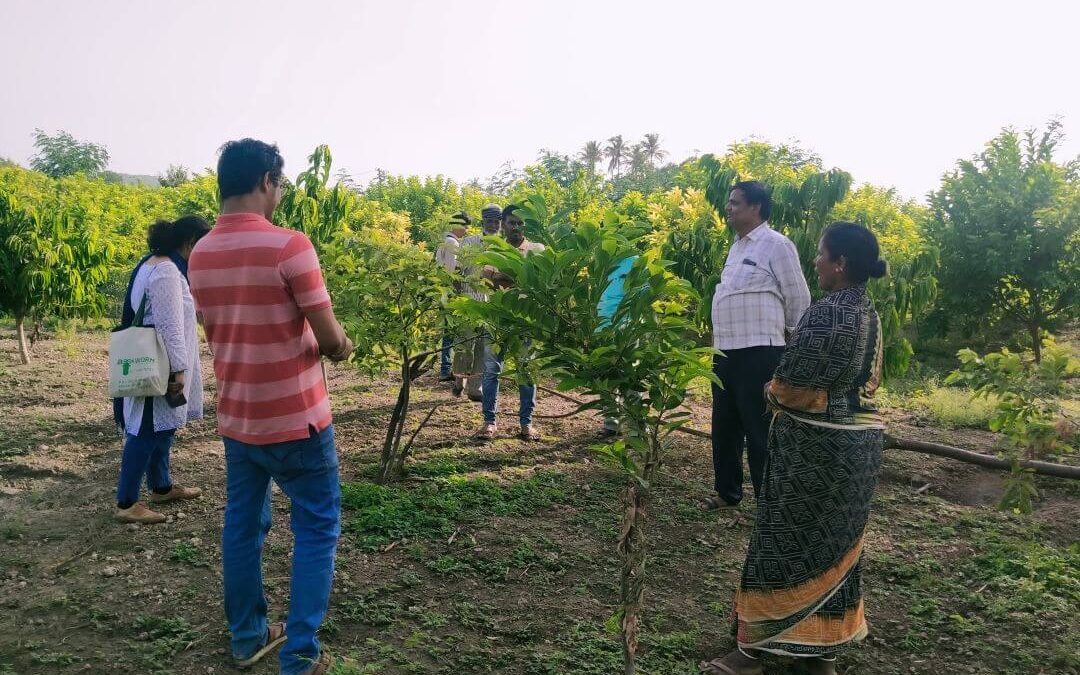
Addressing the Labour Barrier in the Transition to Crop Diversification (WELL Labs)

by cfh_admin | Oct 29, 2025 | Field Diaries, Publications, Research Methods

The “story of water” combines community maps, satellite imagery and novel e-PRA methods to reveal where recharge, reuse and extraction are concentrated. This piece outlines step-by-step mapping workflows and immediate opportunities for local planning. The report...
Rapid Groundwater decline and some cases of recovery in aquifers globally

Rapid Groundwater decline and some cases of recovery in aquifers globally

by cfh_admin | Oct 29, 2025 | Publications, Research Methods, Tools and Resources

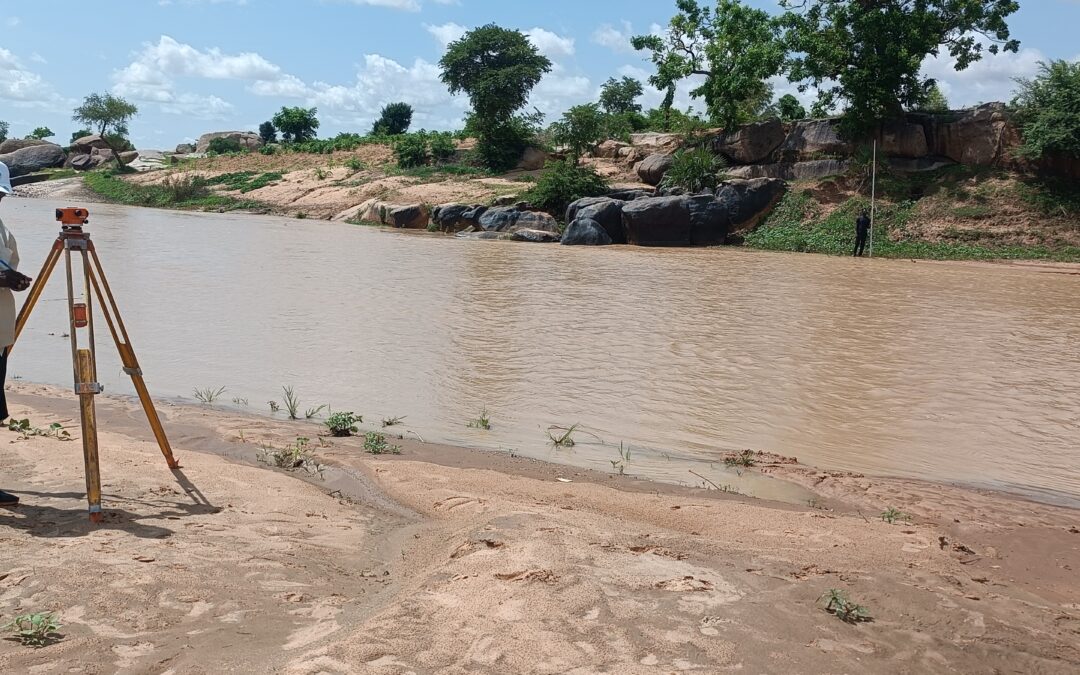
Groundwater is the hidden backbone of water security in many drylands. The paper by Jasechko, Shamsudduha, Taylor and colleagues (2024) advances our understanding of groundwater behaviour, measurement challenges and the implications for policy and sustainable use....
Concerns on the Groundwater Earth System Boundary: Scientific Debate & Implications for Drylands

Concerns on the Groundwater Earth System Boundary: Scientific Debate & Implications for Drylands

by cfh_admin | Oct 29, 2025 | Policies, Publications, Research Methods, Tools and Resources

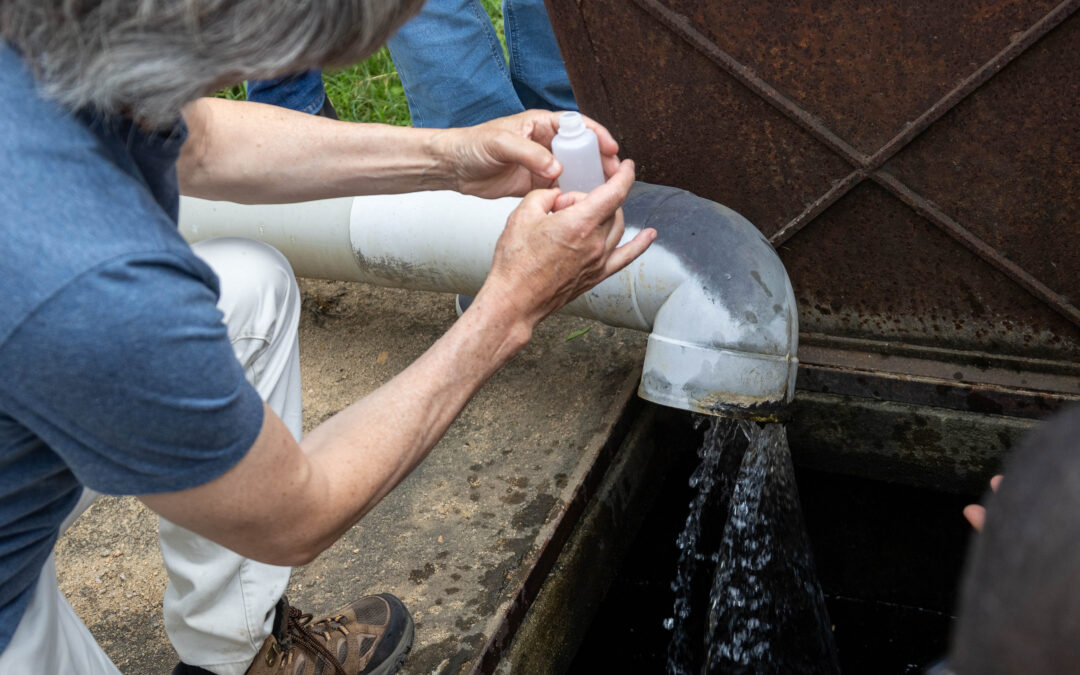
Groundwater is the largest accessible freshwater store on Earth and a lifeline for millions in tropical drylands. A proposal to define a global “groundwater Earth System Boundary” (ESB) aims to indicate when groundwater use risks planetary stability. But a recent...
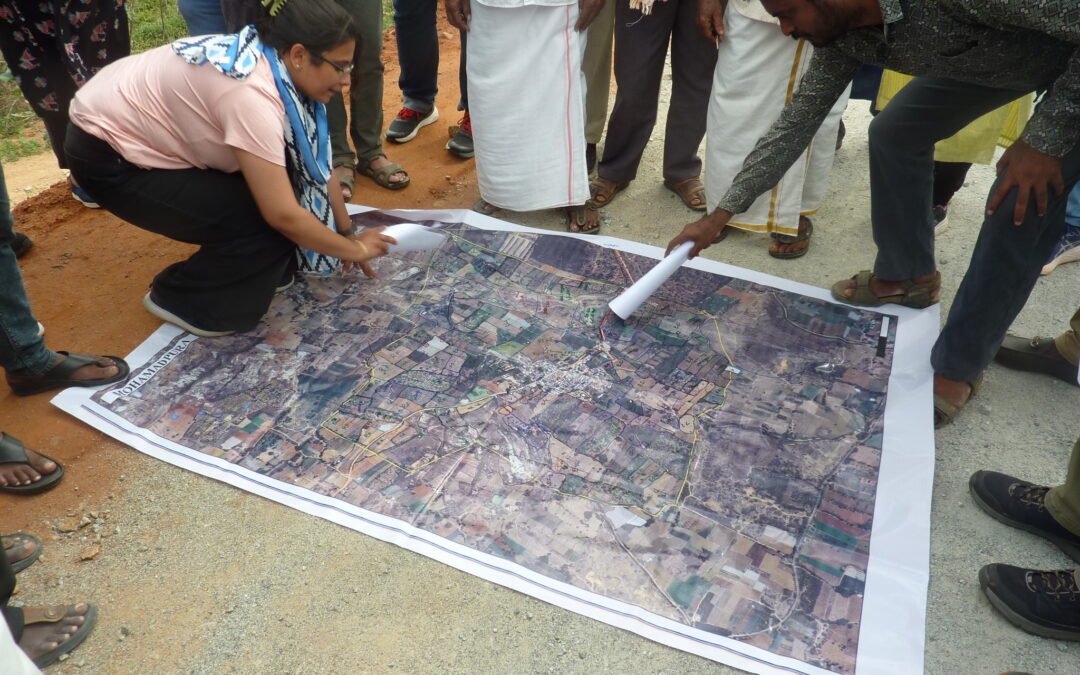
Getting Better at Mapping the Story of Water in Tropical Drylands

Getting Better at Mapping the Story of Water in Tropical Drylands

by cfh_admin | Sep 25, 2025 | Publications

The “story of water” combines community maps, satellite imagery and novel e-PRA methods to reveal where recharge, reuse and extraction are concentrated. This piece outlines step-by-step mapping workflows and immediate opportunities for local planning. Visit...

« Older Entries
  • Field Diaries
  • News and Events
  • Policies
  • Publications
  • Research Methods
  • Tools and Resources

Learn how to get involved

Whether you’re a community leader, researcher, policymaker, or curious collaborator, we’d love to hear from you.

Join our movement toward equitable, sustainable water solutions across the world.

Write to Us

CLARE is a flagship research programme on climate adaptation and resilience, funded mostly (about 90%) by UK Aid through the Foreign Commonwealth and Development Office (FCDO), and co-funded by the International Development Research Centre (IDRC), Canada.

CLARE is bridging critical gaps between science and action by championing Southern leadership to enable socially inclusive and sustainable action to build resilience to climate change and natural hazards.

The views expressed herein do not necessarily represent those of the UK government, IDRC or its Board of Governors.

Quick links

  • Home
  • Approach / Methodology
  • T-labs
    • Dodoma, Tanzania
    • Maradi-Katsina, Niger/Nigeria
    • Chintamani-Chikkaballapur, India
    • Raichur, India
  • Publications
  • About Us

CLARE Website

CLARITY Webpage

Get in touch

Write to us:
contact@crf.welllabs.org

Partner / T-Lab enquiries:
t-lab@crf.welllabs.org

Collaborators

Abdou Moumouni University (UAM),
British Geological Survey (BGS),
Cardiff University,
Institute for Research & Development (IRD),
Institute of Development Studies (IDS),
Sokoine University of Agriculture (SUA),
University College London (UCL),
University of Maiduguri (UNIMAID),
University of Sussex,
University of Zinder,
WELL Labs – IFMR

Partners

India

Advanced Centre for Integrated Water Resources Management (ACIWRM)

Tanzania

Water Resources Center of Excellence – Ministry of Water, Tanzania

Niger

Direction Régionale de l’Hydraulique et de l’Assainissement (DRH/A Maradi)

Nigeria

Katsina State Ministry of Environment, Climate Change Directorate

Beyond these institutions, each T-Lab engages with a wide range of partners listed on their respective pages.