Chintamani-Chikkaballapur, India
Geography & Geology: Upper Dakshina Pinakini basin, crystalline-rock aquifers, ~725 mm annual rainfall.
Socioeconomic: Smallholders reliant on rain-fed crops; rising water costs force deeper drilling.
Challenges
Deepening Wells
Borewell depths exceeding 200 m, escalating drilling and pumping expenses.
Electricity Subsidy Dynamics
Blanket free-power policy incentivizes unchecked abstraction, burdening utilities.
Sewage Contamination
Untreated urban return flows elevate downstream pollution levels.
Co‑creation Process
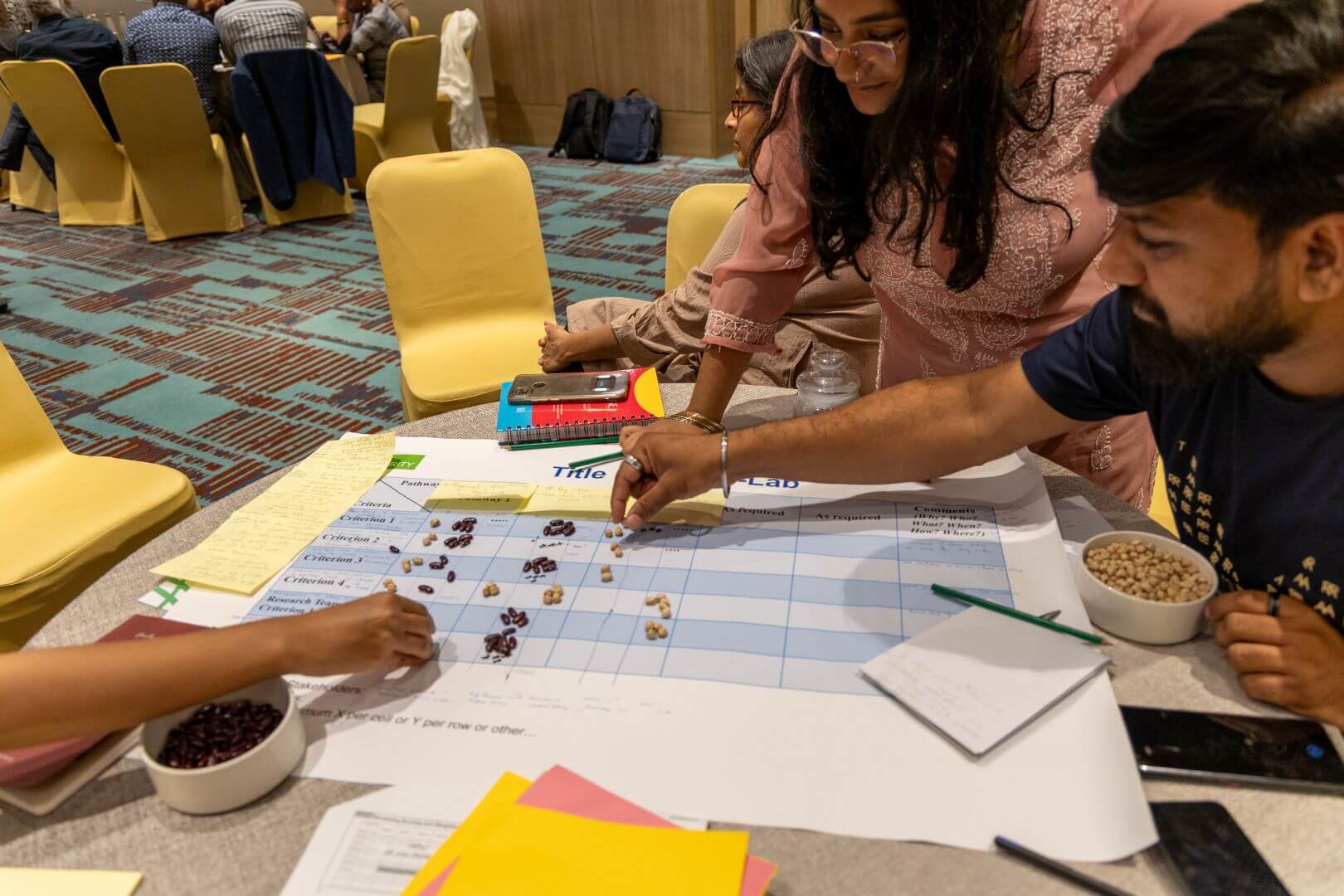
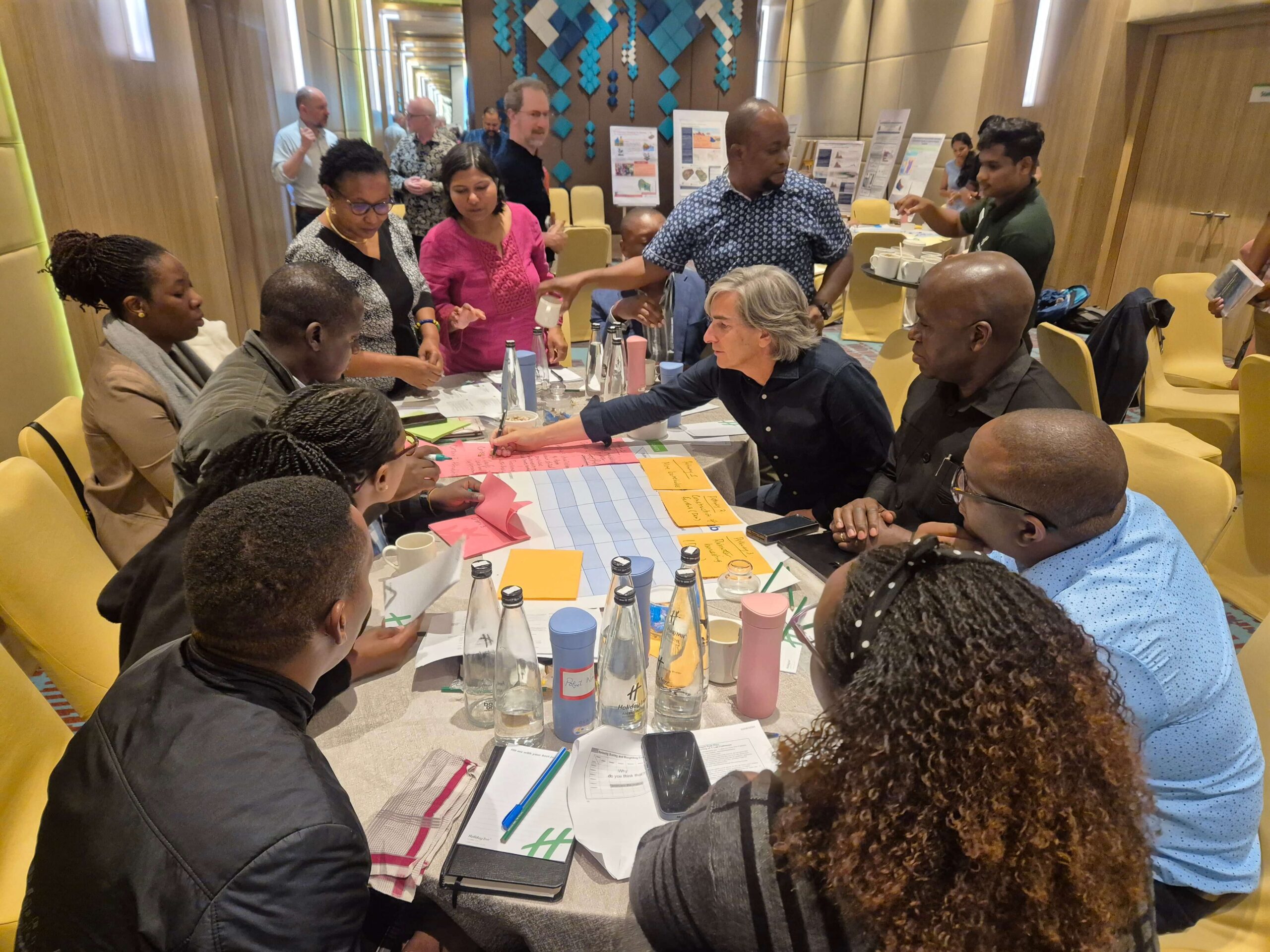
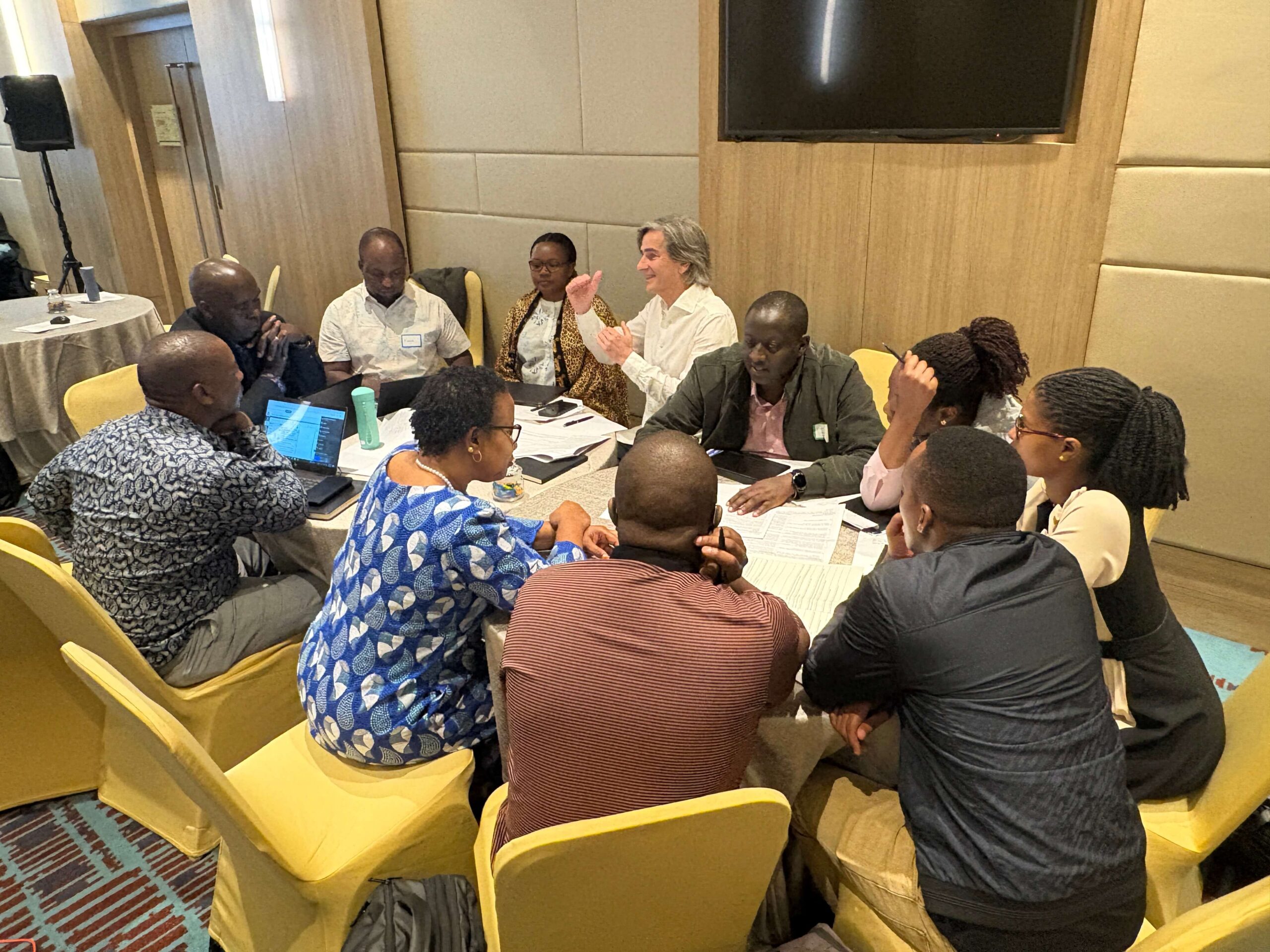
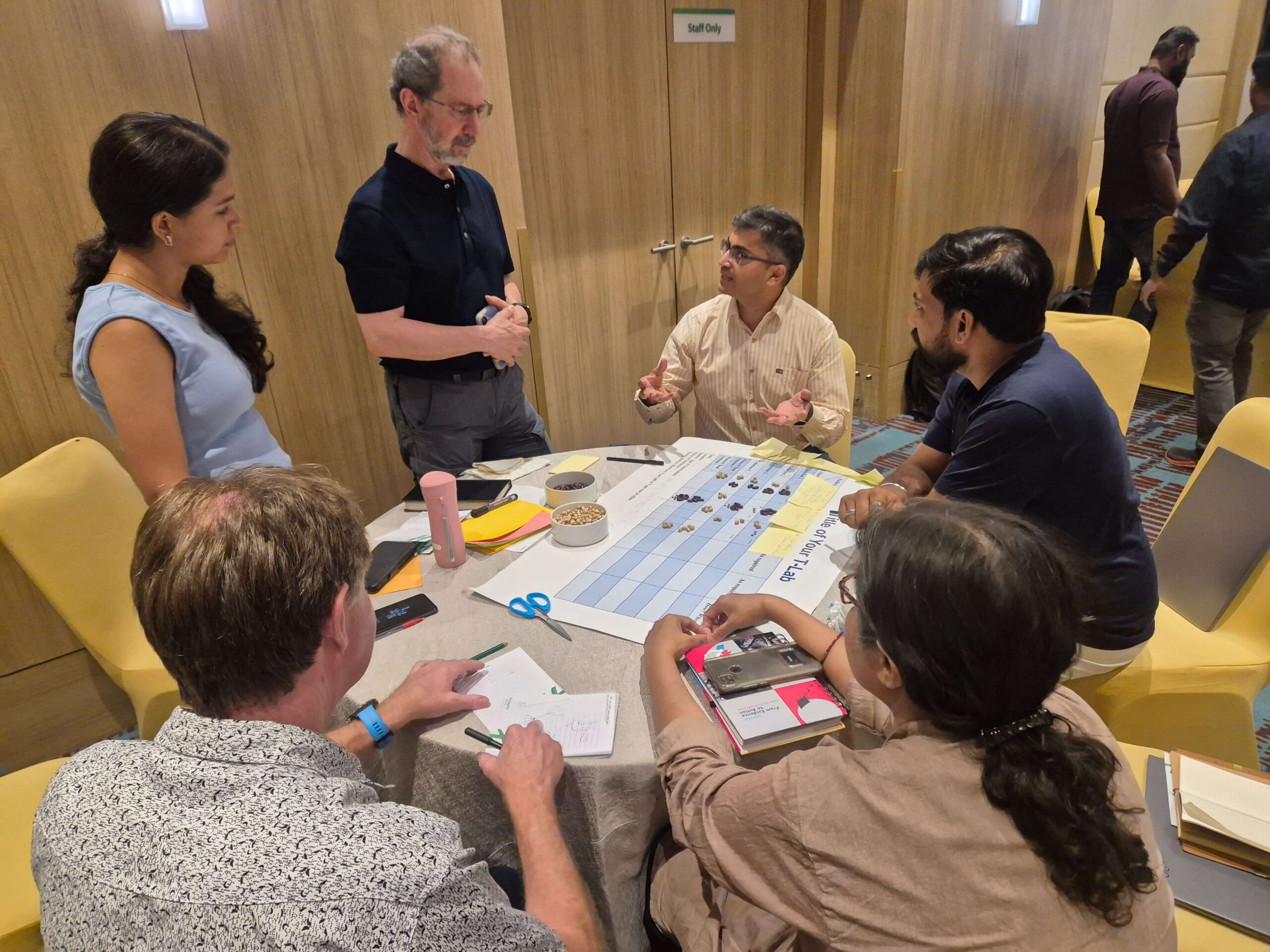
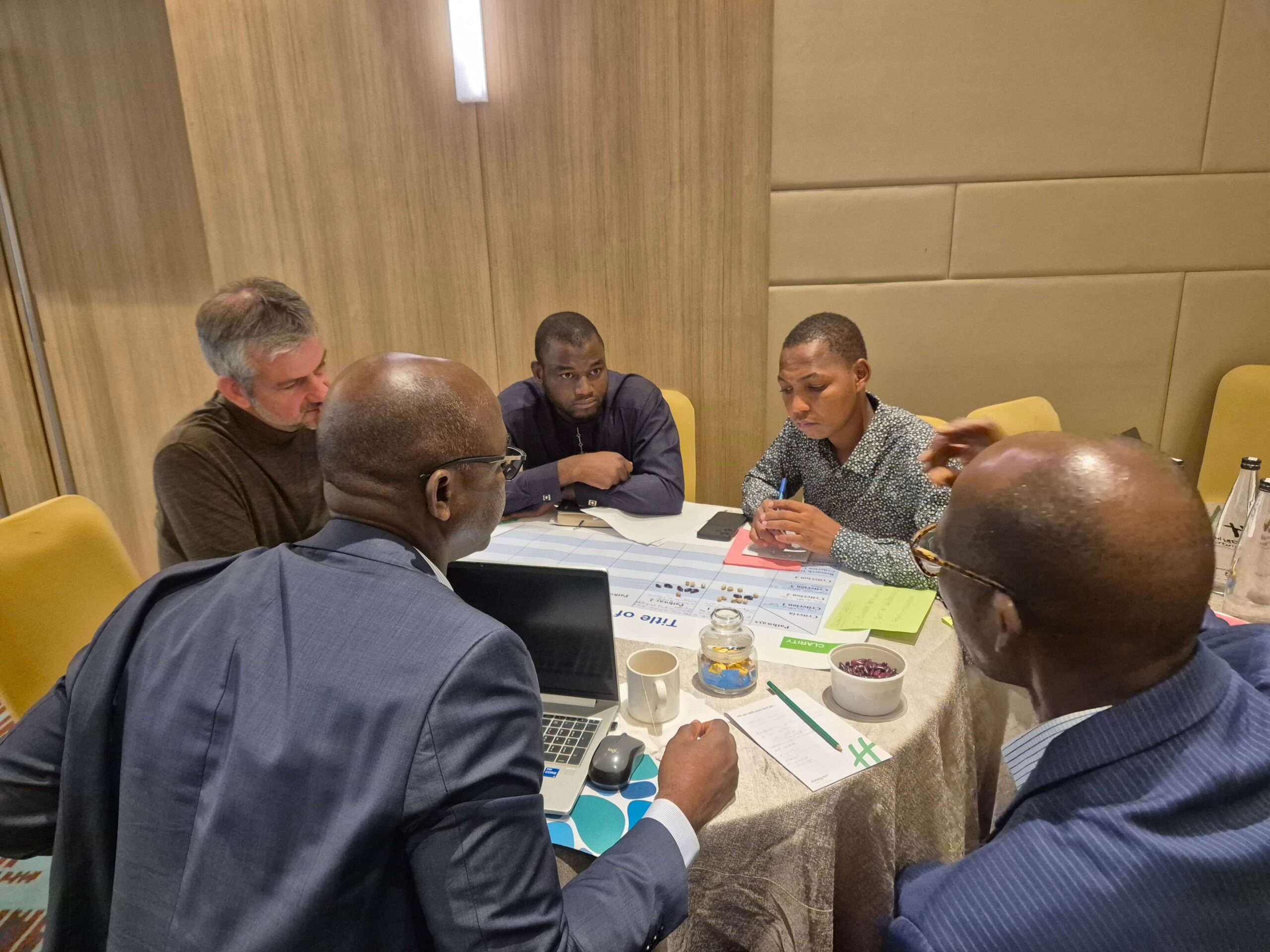
Solar-Subsidy Workshops
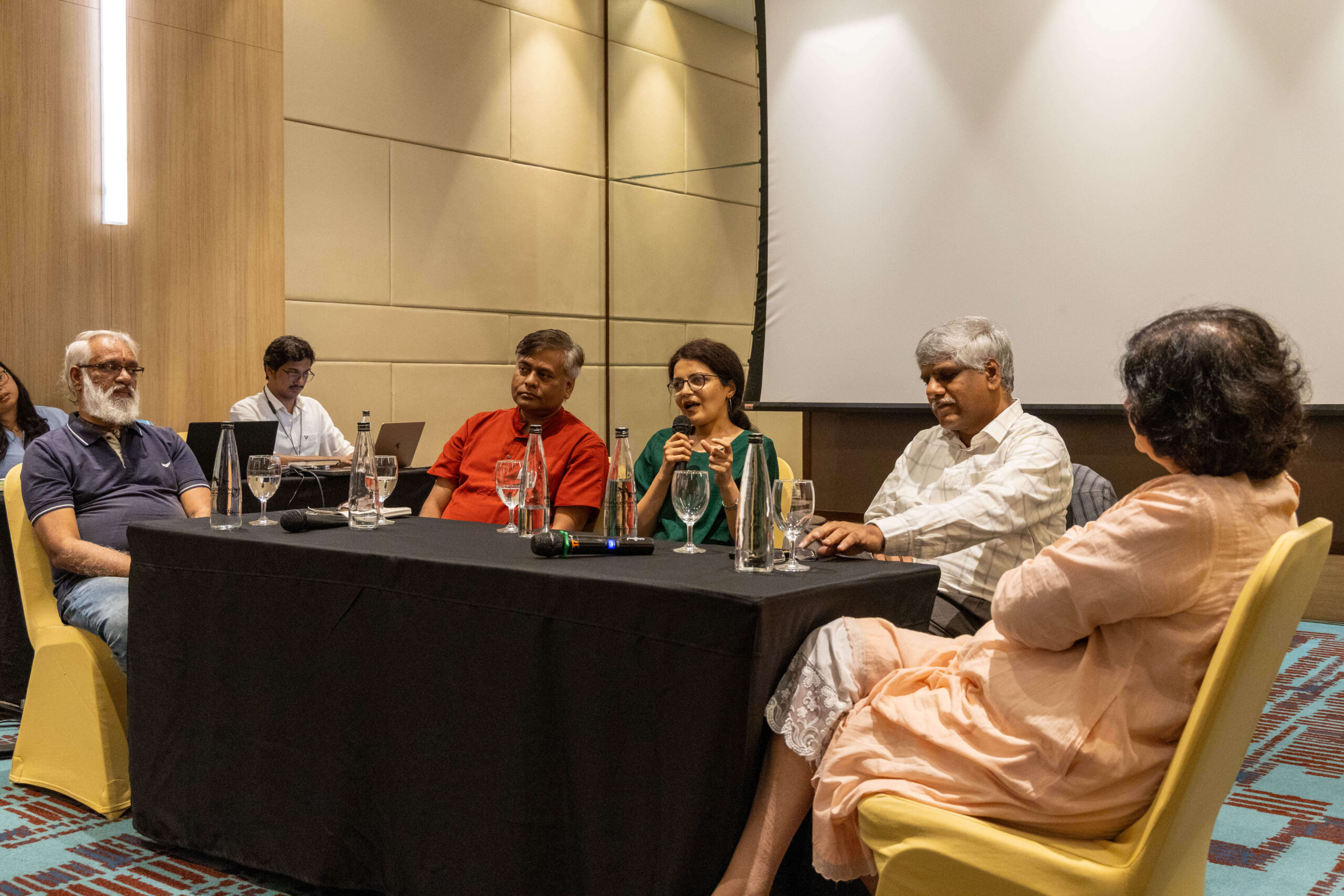
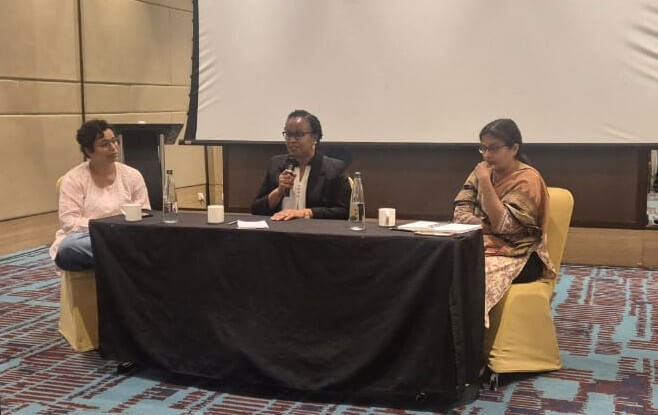
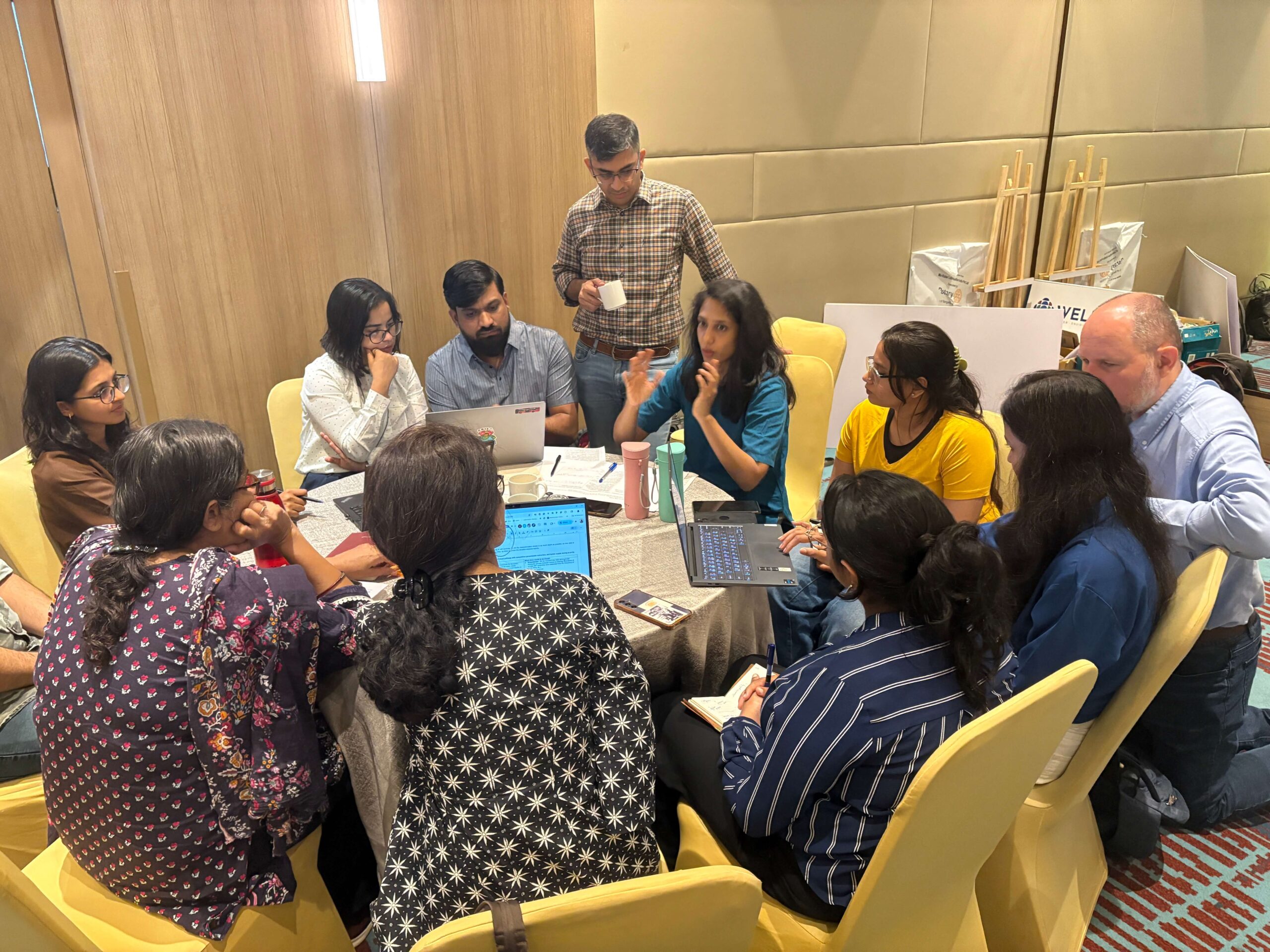
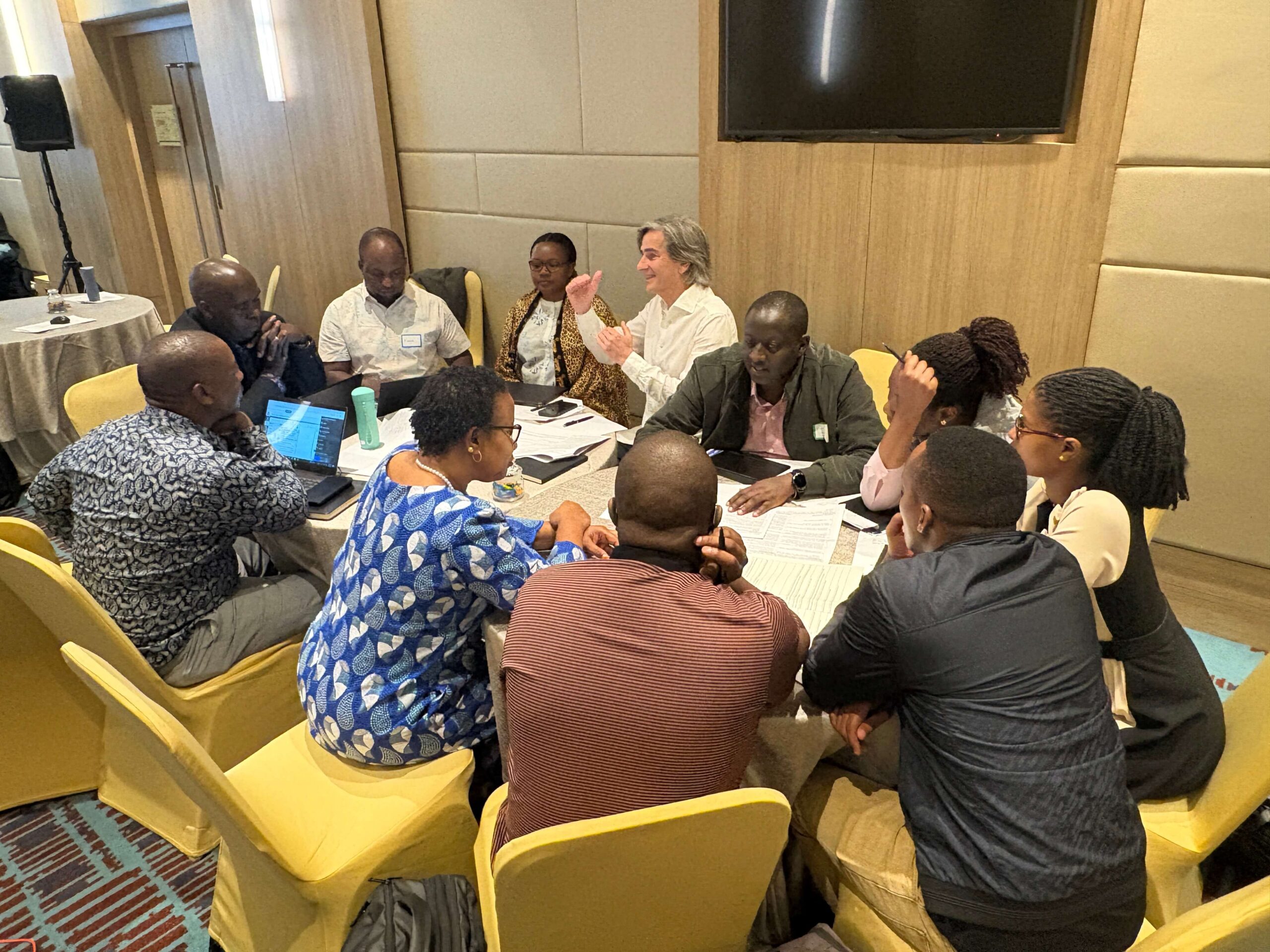
Engaged farmers, power utilities, and solar‑tech providers to co-design a phased subsidy shift.
Crop Diversification Clinics
Extension agents demonstrated millet and pulse cultivation under low-water regimes.
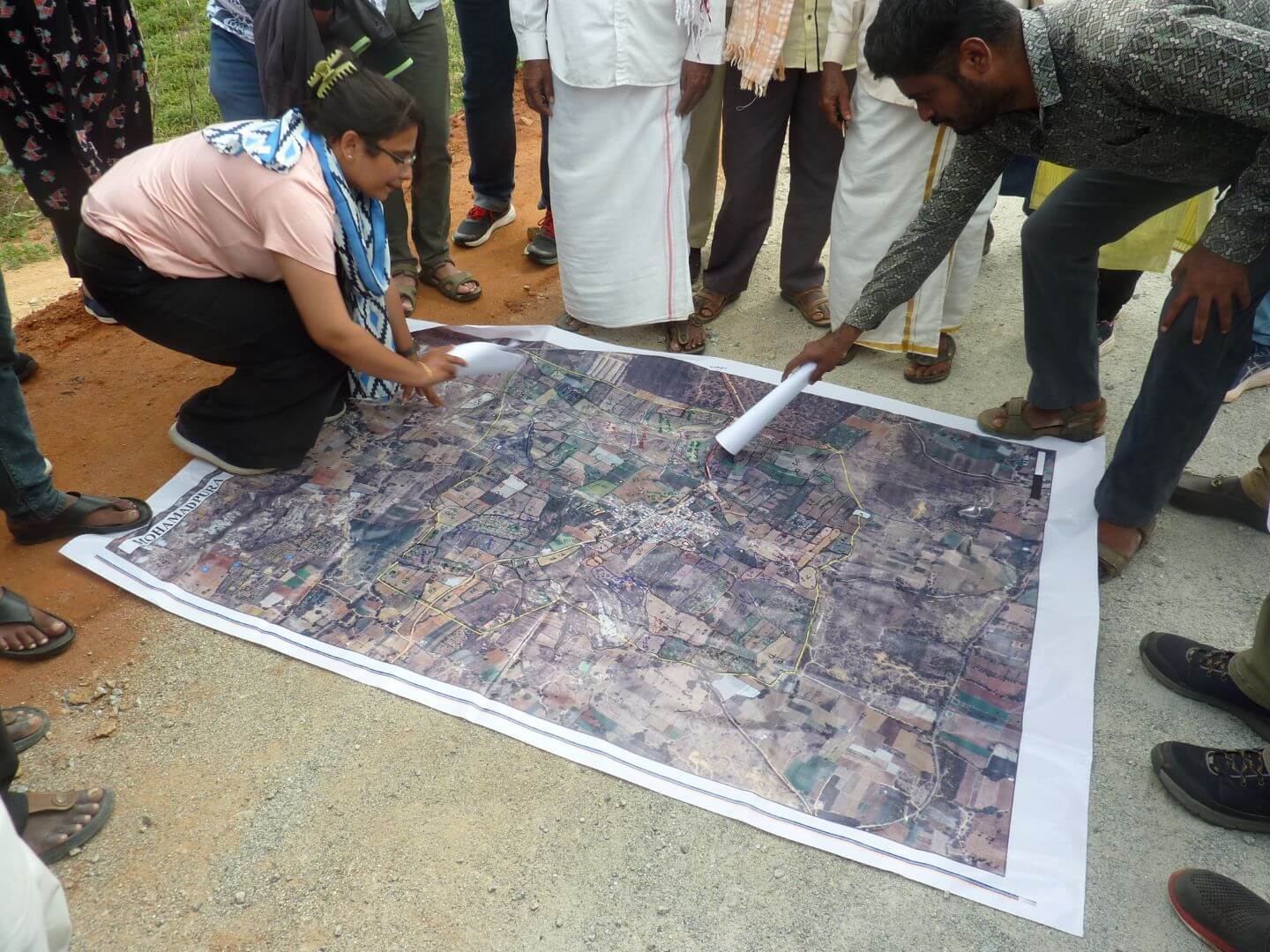
Recharge Mapping
Villagers and hydrologists pinpointed communal recharge basin locations using GPS-enabled surveys.
Solution Pathways
Targeted Solar Grants
Redirect free-power subsidies into matched grants for solar pumping, reducing O&M costs by 40 %.
Drought-Tolerant Crops
Incentives for millet and pulses boosted area under low-water crops by 20 %.
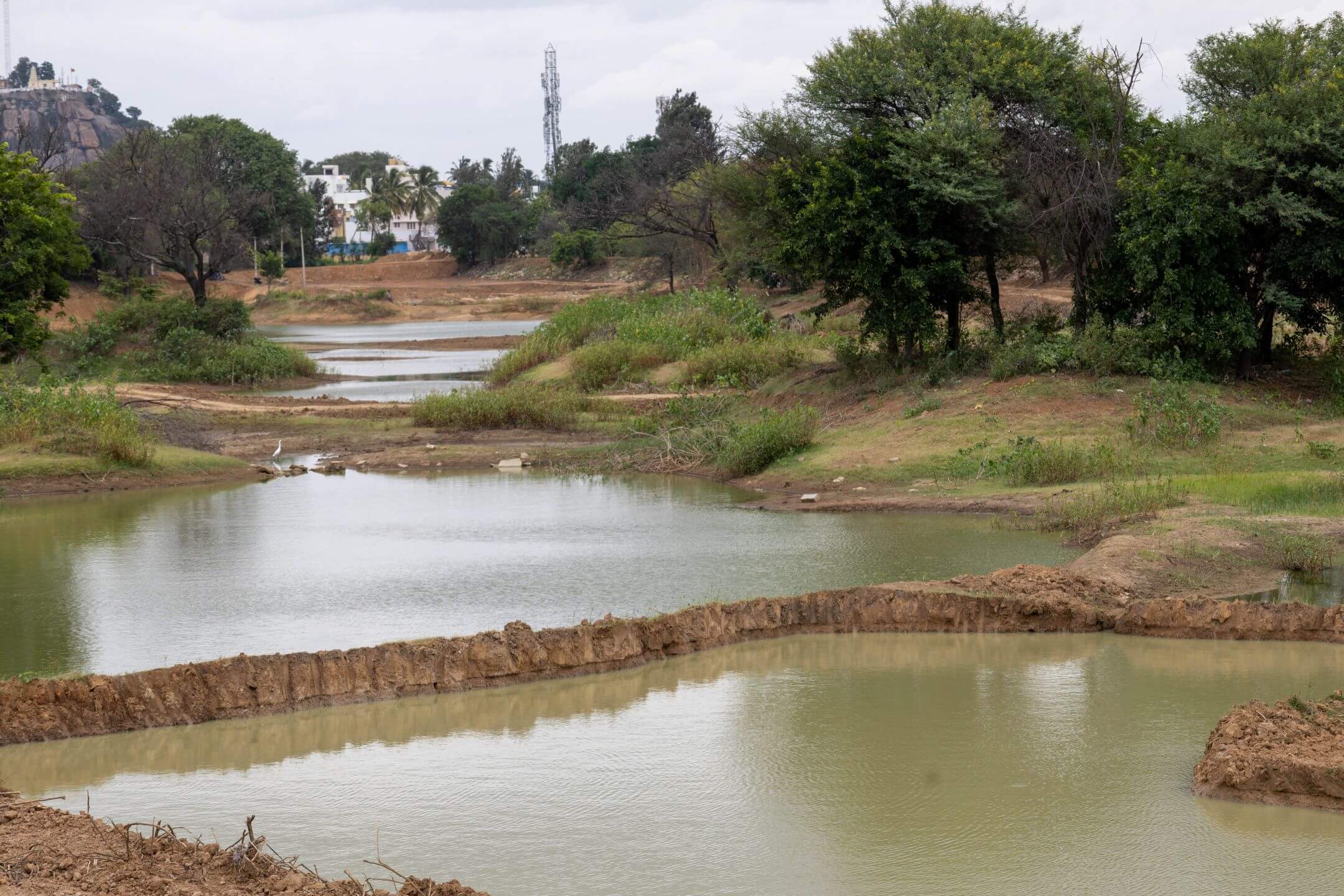
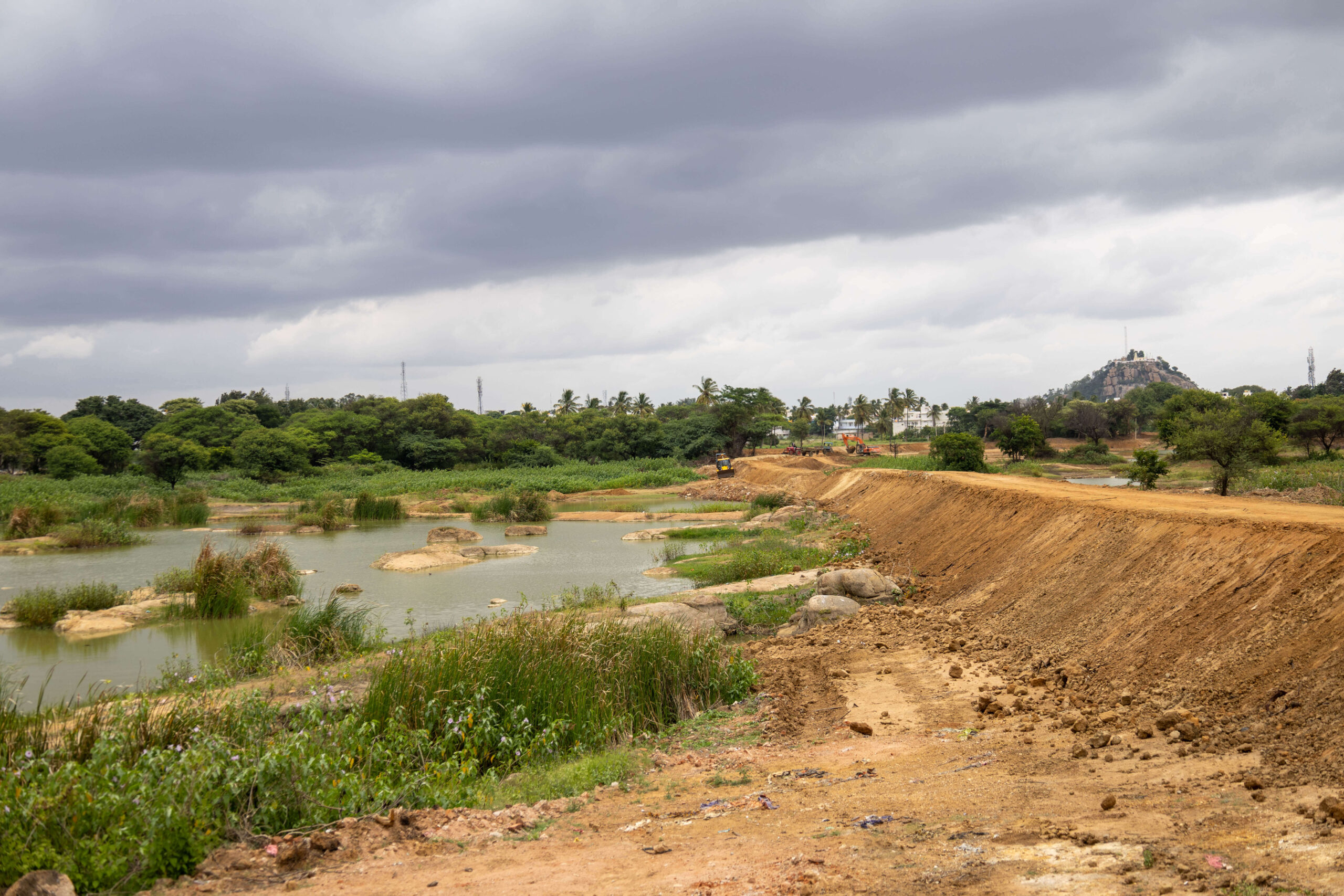
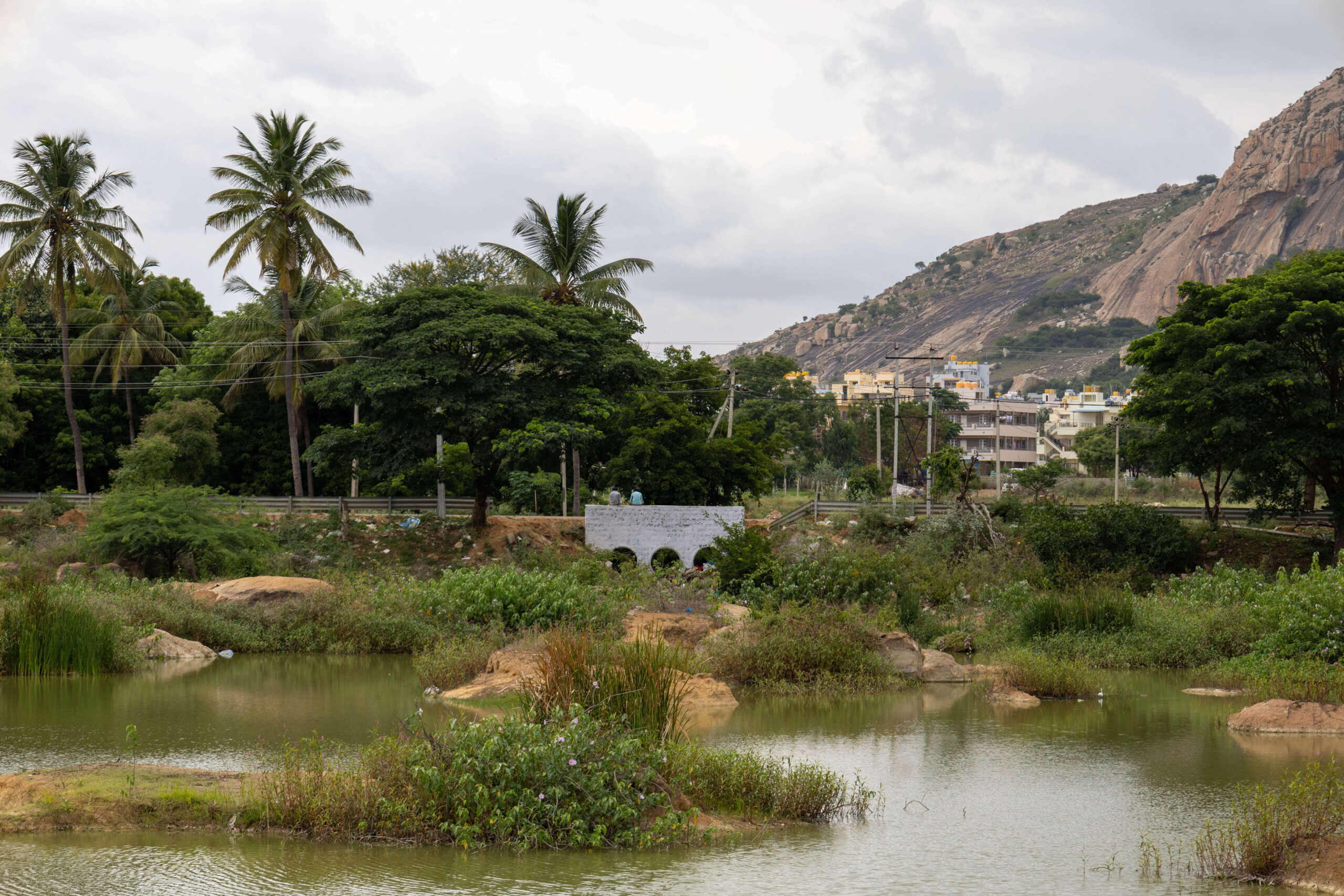
Integrated Recharge Basins
Three community basins restored local water tables by 1.5 m during pilot period.
Village Water Councils
Five councils formed to set abstraction limits, oversee basin upkeep, and liaise with district water boards.
Key Impacts & Statistics
35 % reduction
modeled reduction in average drawdown under combined solar & crop-shift pathway.
40% decrease
in farmer energy expenditures for irrigation.
New policy draft
submitted to state government for reforming agricultural power tariffs.