Raichur, India
A deeply agrarian landscape marked by system lock-ins monoculture farming, institutional gaps, and climate vulnerability – where tail-end and rainfed farmers remain excluded despite decades of canal investment.
A hydrogeological landscape – dominated by alluvial and fractured-rock aquifers facing salinity and fluoride issues.
Challenges
Unequal Water Access
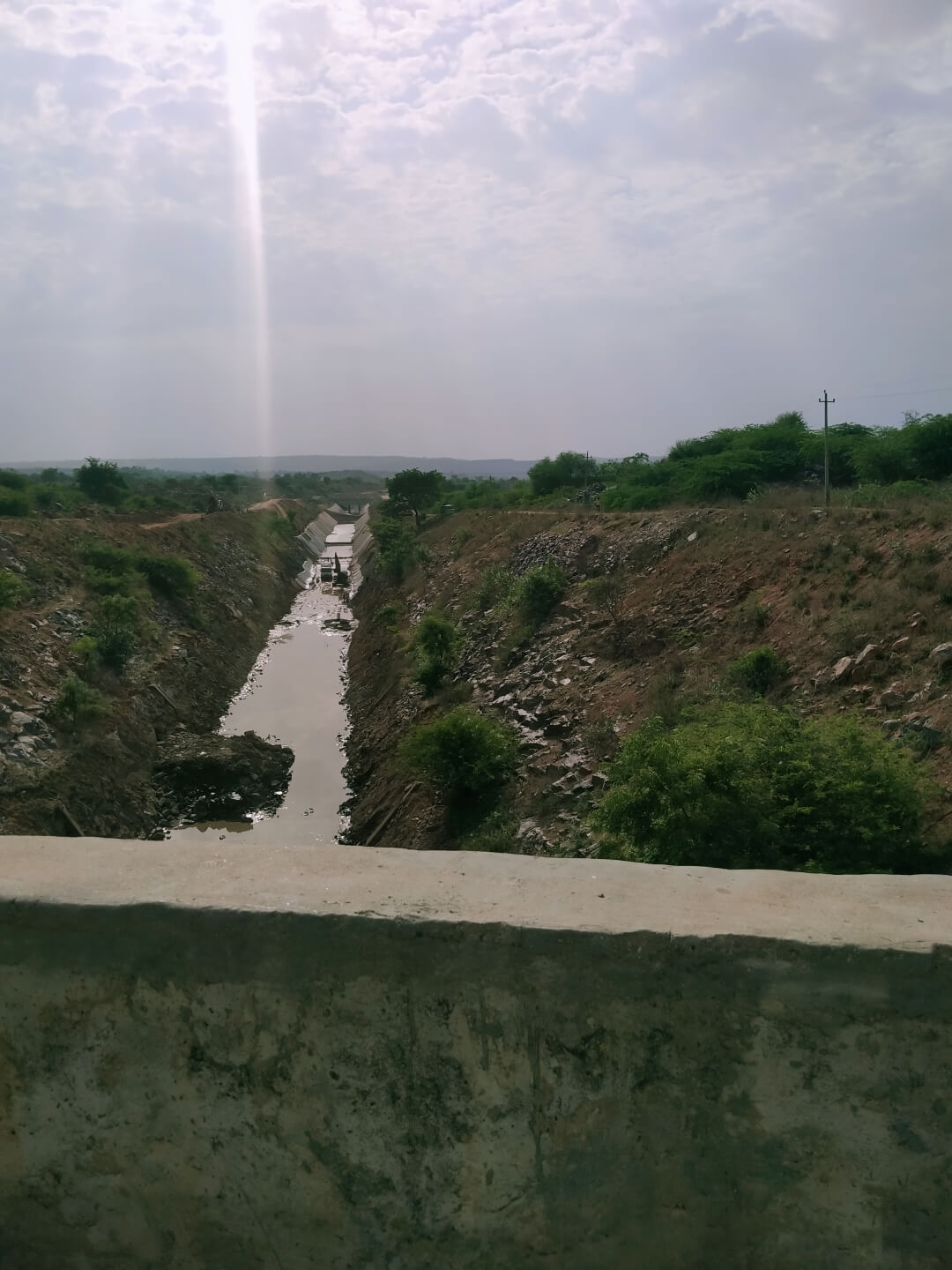
Canal water distribution is highly uneven—head-end farmers receive excess water, while tail-end farmers often get none, forcing them to rely on rain or groundwater.
Agriculture Lock-in
Farmers are locked into paddy cultivation and a “use-it-or-lose-it” mindset.
Smallholder farmers face high input costs, low yields, and market risks, making agriculture financially unsustainable.
Climate Vulnerability
Raichur’s agriculture is highly monsoon-dependent, with increasing risks from climate change, such as erratic rainfall and rising temperatures
Co‑creation Process
Capacity Building
Training Community members in measuring water and soil related parameters.
Pilot Demonstrations
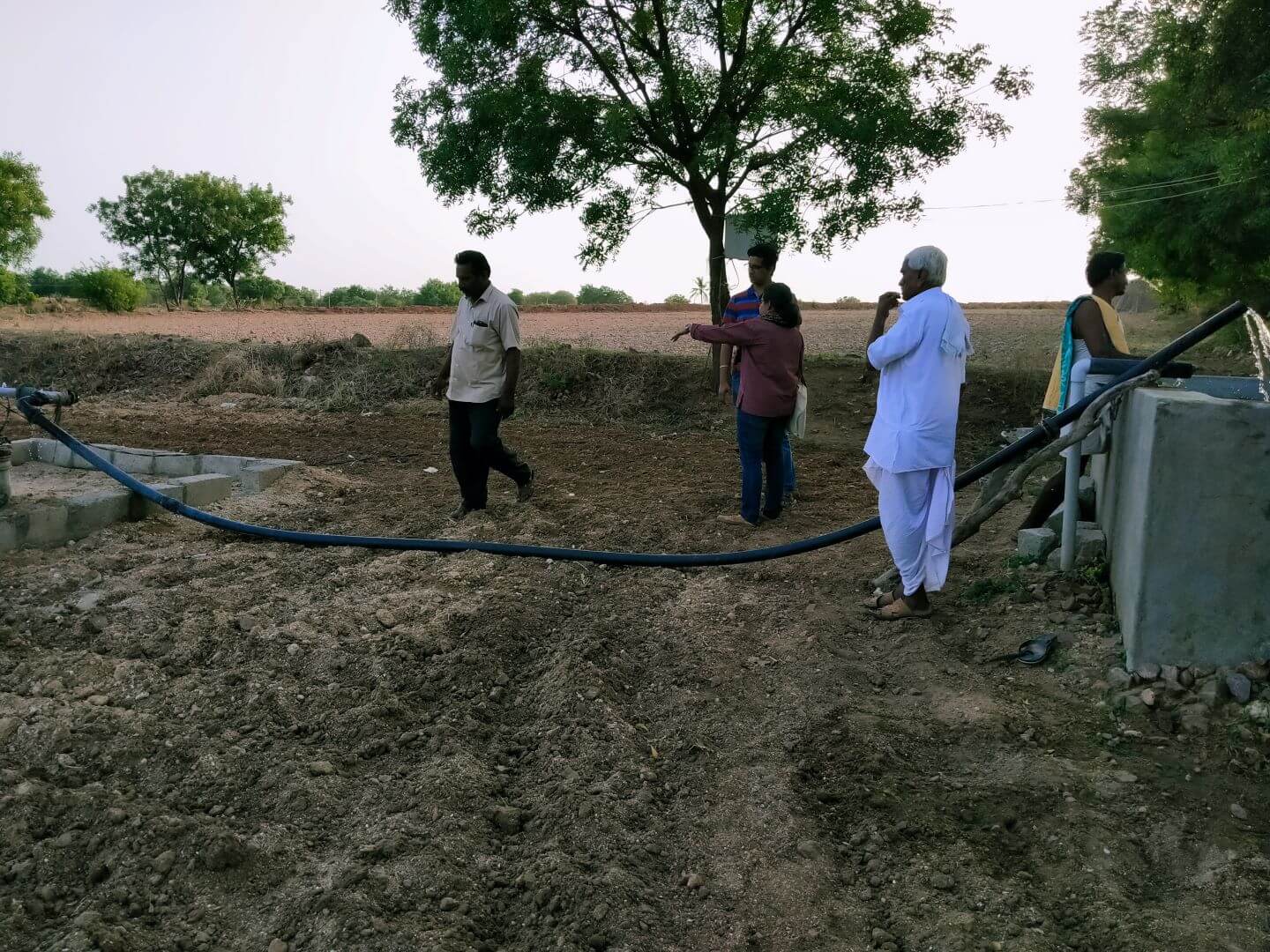
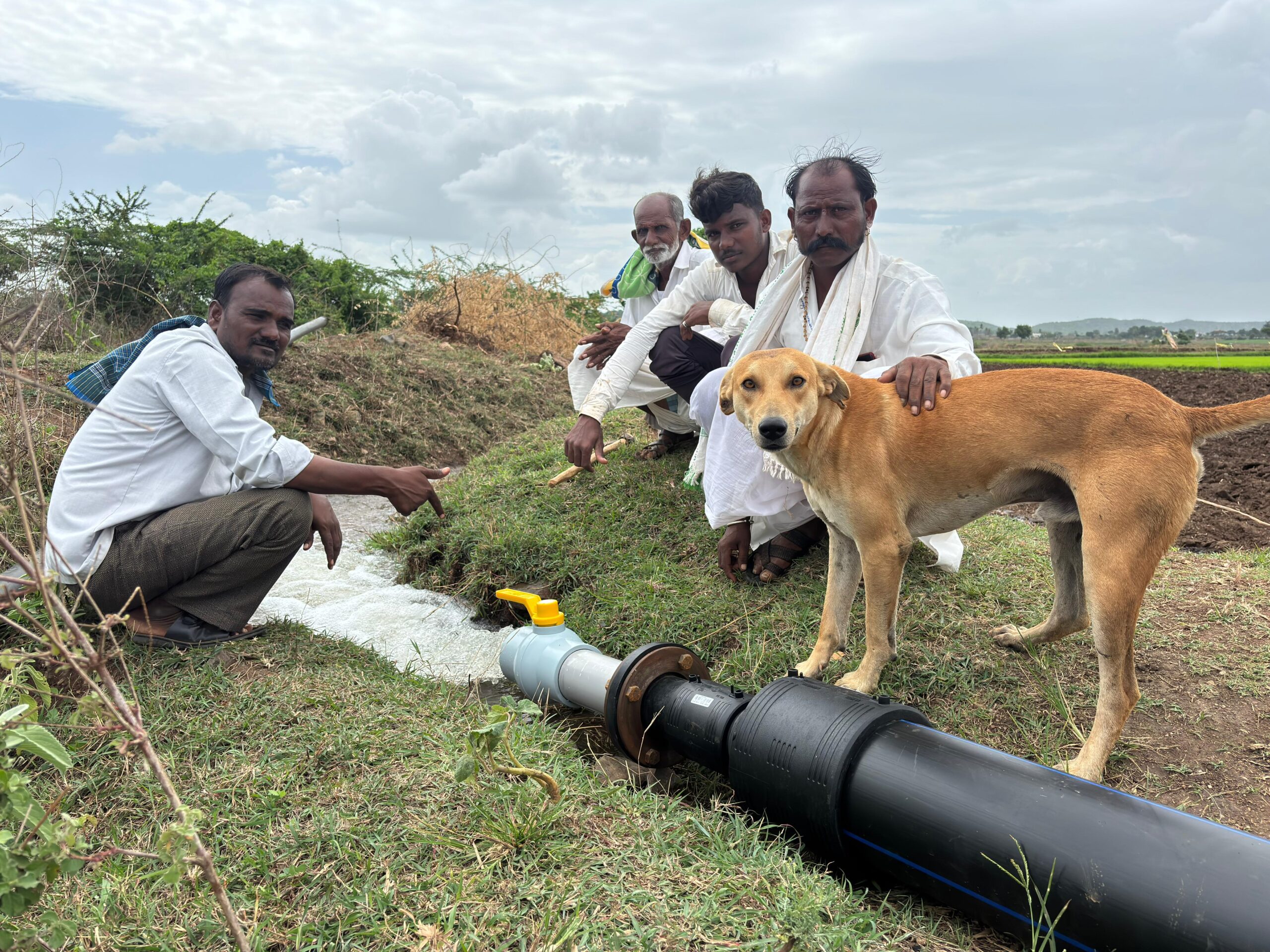
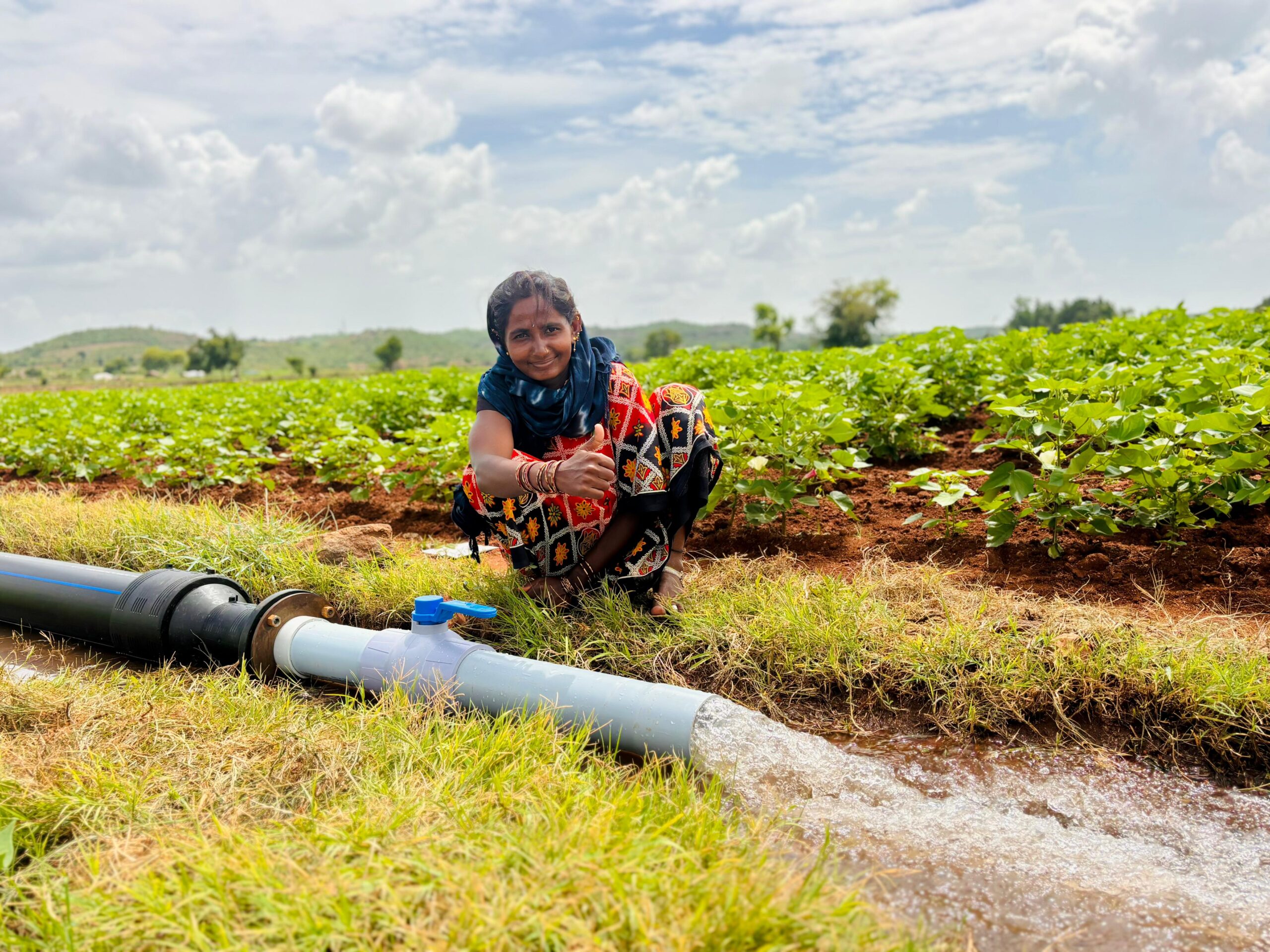
Testing innovations like AWD rice, recharge ponds, Pipe to Field
Multi-Stakeholder Dialogues
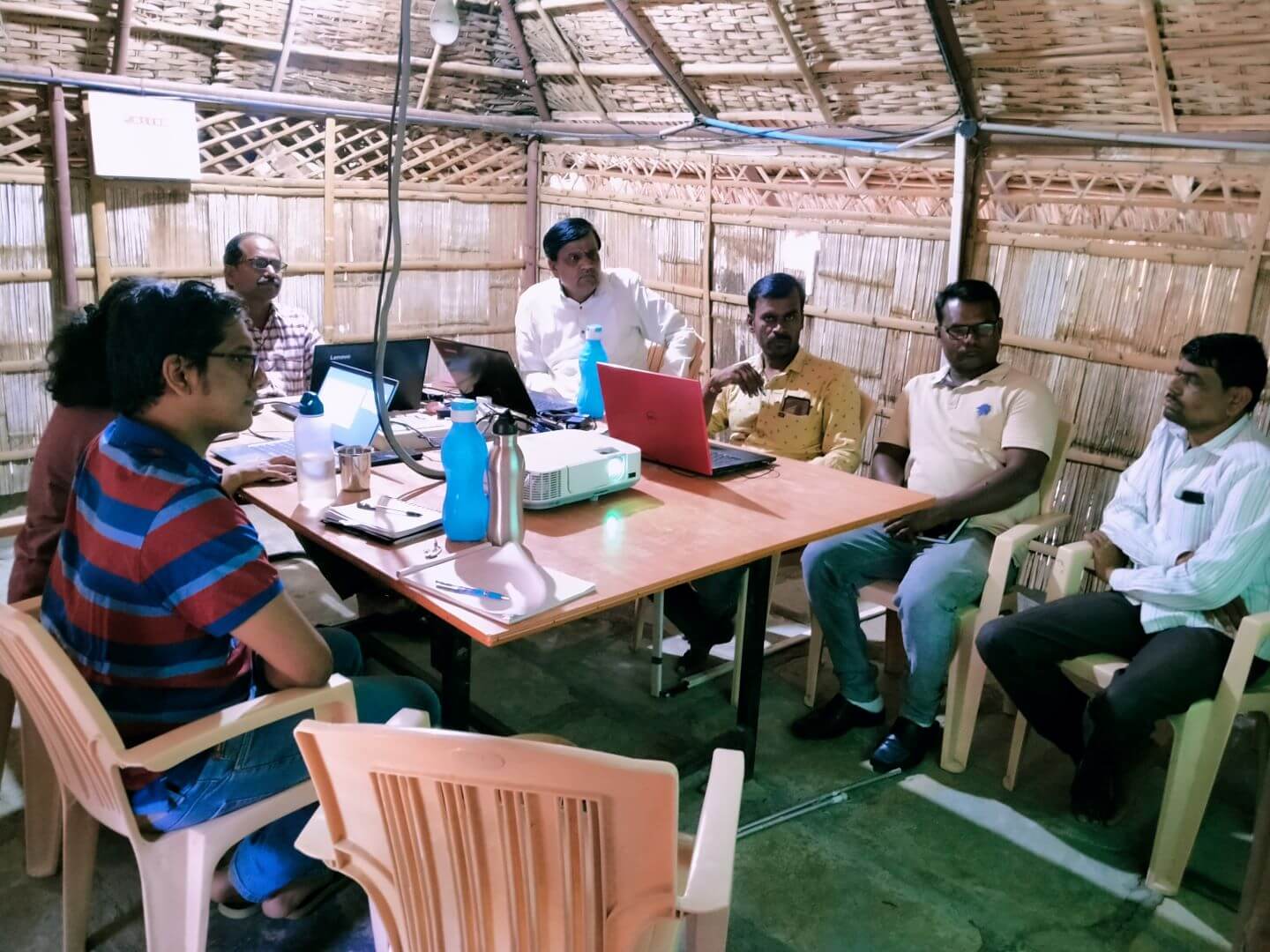
Bringing together farmers, government officials, NGO’s, academicians and scientists to co-design interventions.
Solution Pathways
Livelihood and Service Innovations
This will include training youth and women to deliver service through village level entrepreneurship programs.
Diversification of Crops
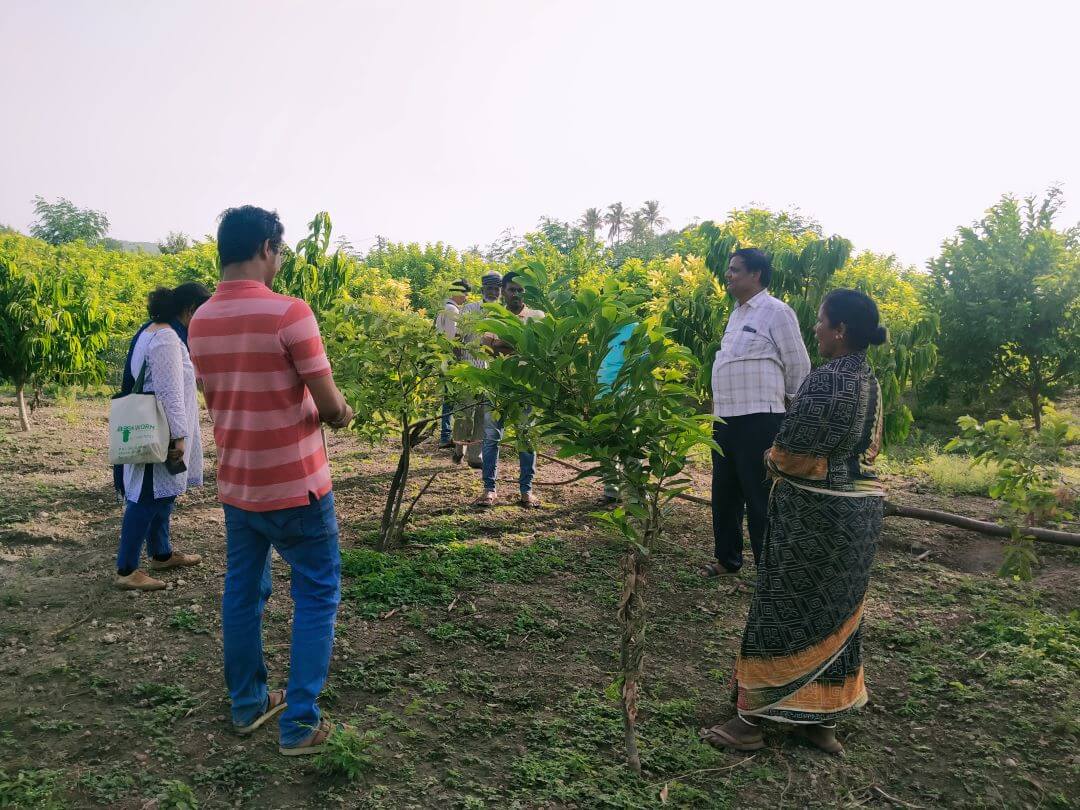
Supporting farmers with access to agricultural services, promote traditional agricultural practices for improved climate resilience and alternate wetting and drying to reduce water use and enabling market linkages for the diversified crops.
Institutional strengthening
Building and strengthening famer collectives and water user cooperatives.
Key Impacts & Statistics
30 % reduction
in canal water wastage across pilot branches.
Village water‑user associations
Established the first village water‑user associations empowered to collect nominal fees for basin maintenance.
25 % savings
average water savings in AWD fields.