Maradi–Katsina, Niger/Nigeria
Transboundary Basin: The River Goulbi de Maradi replenishes (or recharges) shallow alluvial and underlying aquifers.
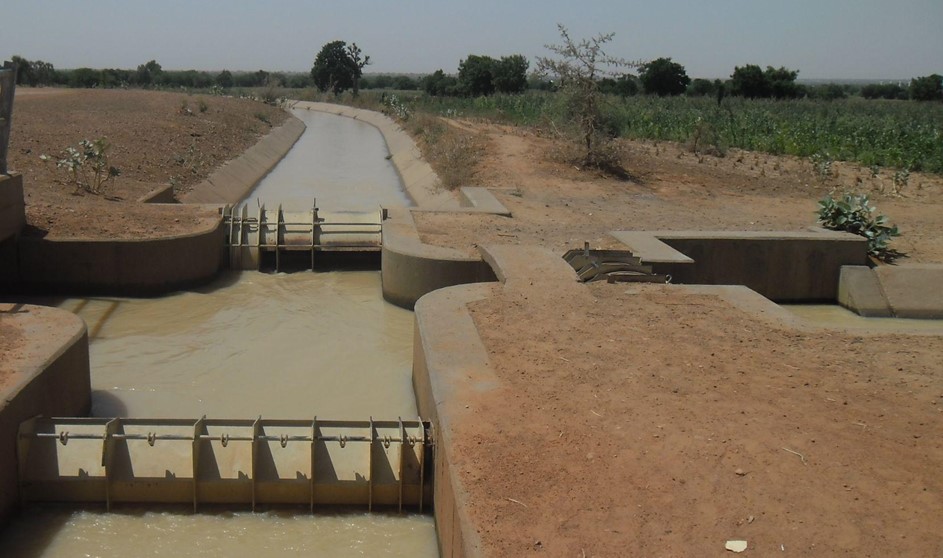
Rainfall & Recharge: Monsoonal rains (400–600 mm/yr), floods and dam releases from Jibiya in Nigeria drive episodic groundwater recharge in Nigeria and Niger.
Challenges
Rising Demand
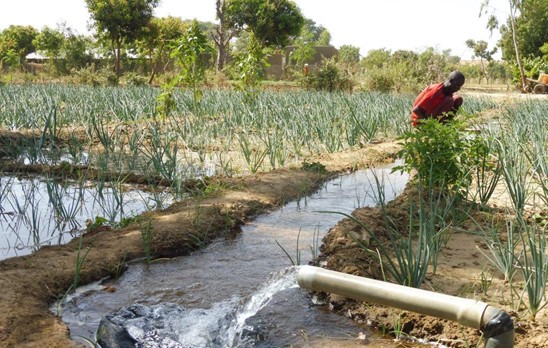
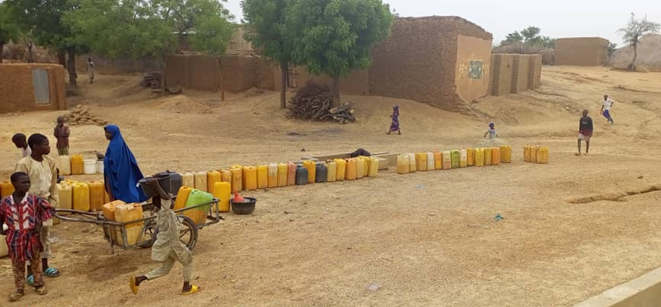
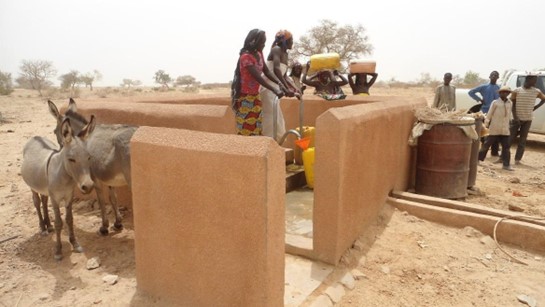
Rapid urban growth in Maradi and expansion of small‑scale irrigation strain both aquifers.
Upstream-Downstream Tensions
Uncoordinated dam operations and abstraction create conflict over recharge timing and volumes.
Data Gaps
Limited monitoring hinders understanding of cross‑border flows and recharge rates.
Co‑creation Process
Bi-national Workshops
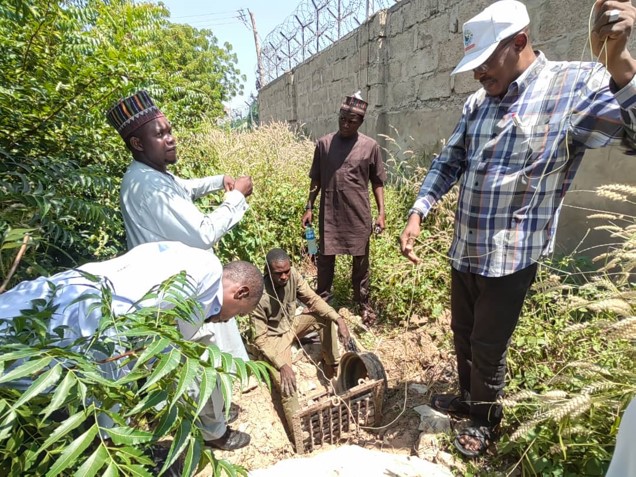
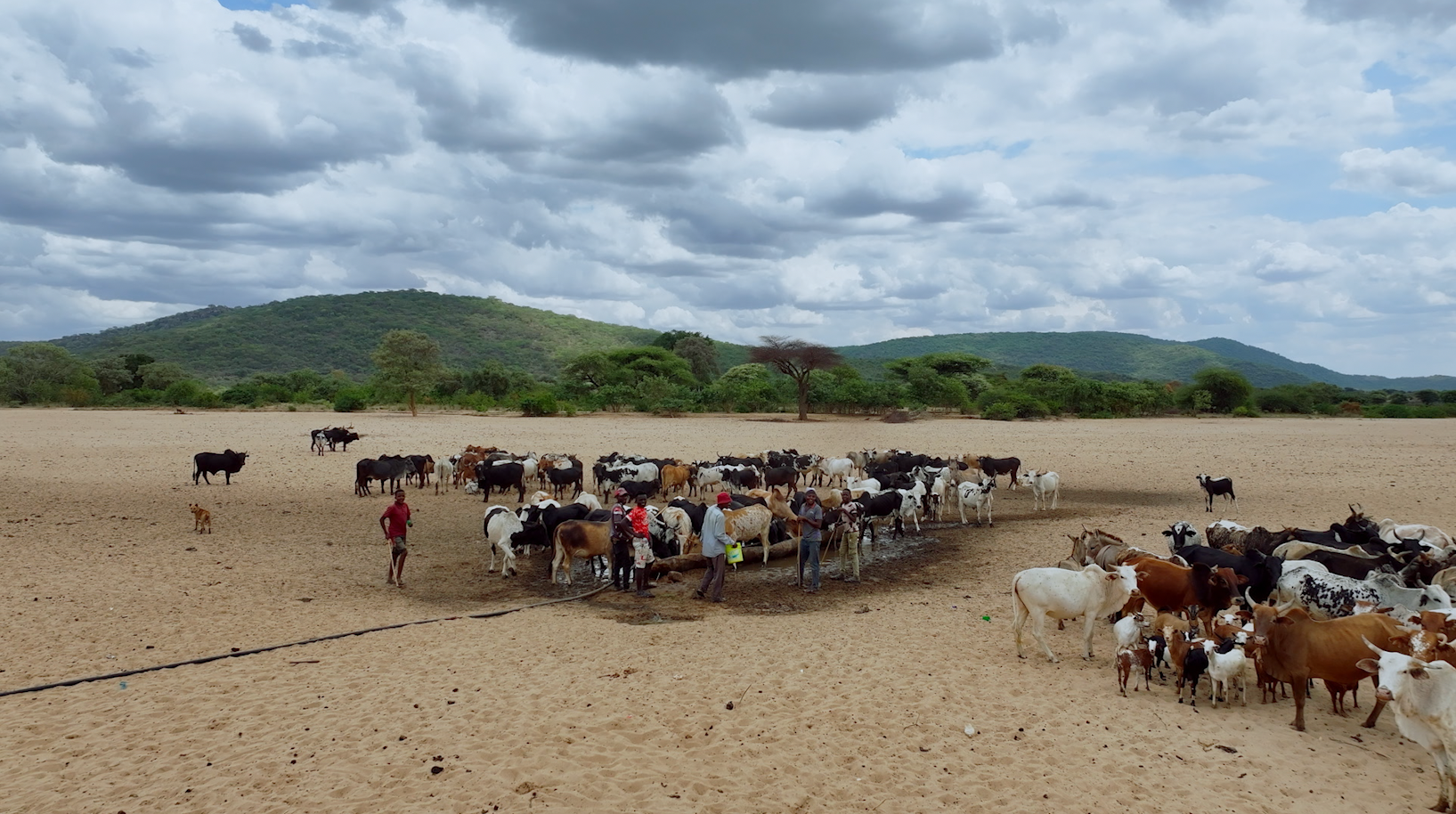
Nigerien and Nigerian water authorities, pastoralists, and farmers jointly mapped abstraction points.
Participatory Flood Mapping
Used community input and remote sensing to identify priority recharge sites.
Scenario Modeling
Stakeholders tested different dam‑release schedules via a simple interactive model.
Solution Pathways
Staggered Dam Operations
Proposal to time Jibiya releases with peak monsoon, projected to boost aquifer recharge by 20 %.
Conjunctive‑Use Modeling
Drafted a draft Niger–Nigeria water‑sharing protocol to balance agricultural and domestic needs.
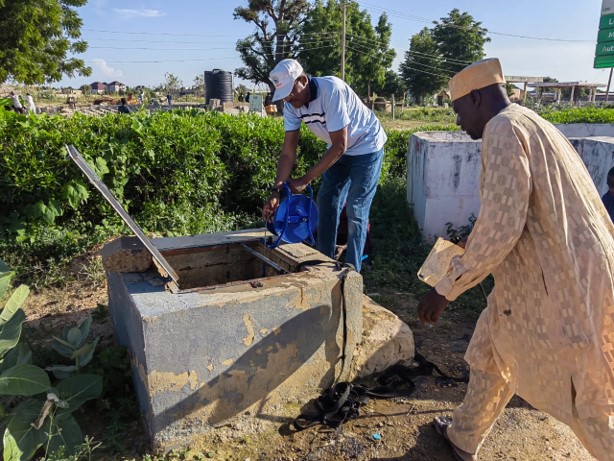
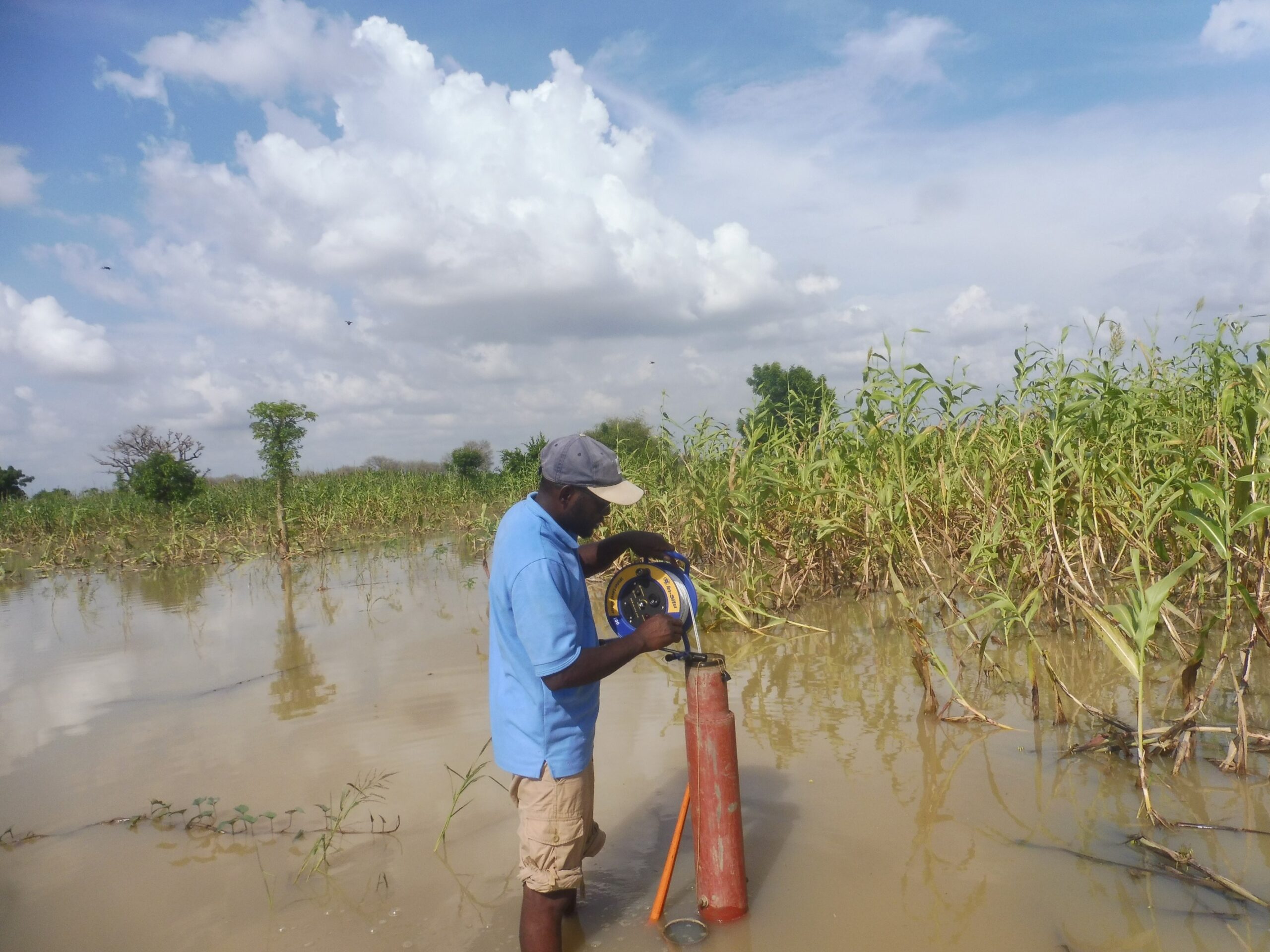
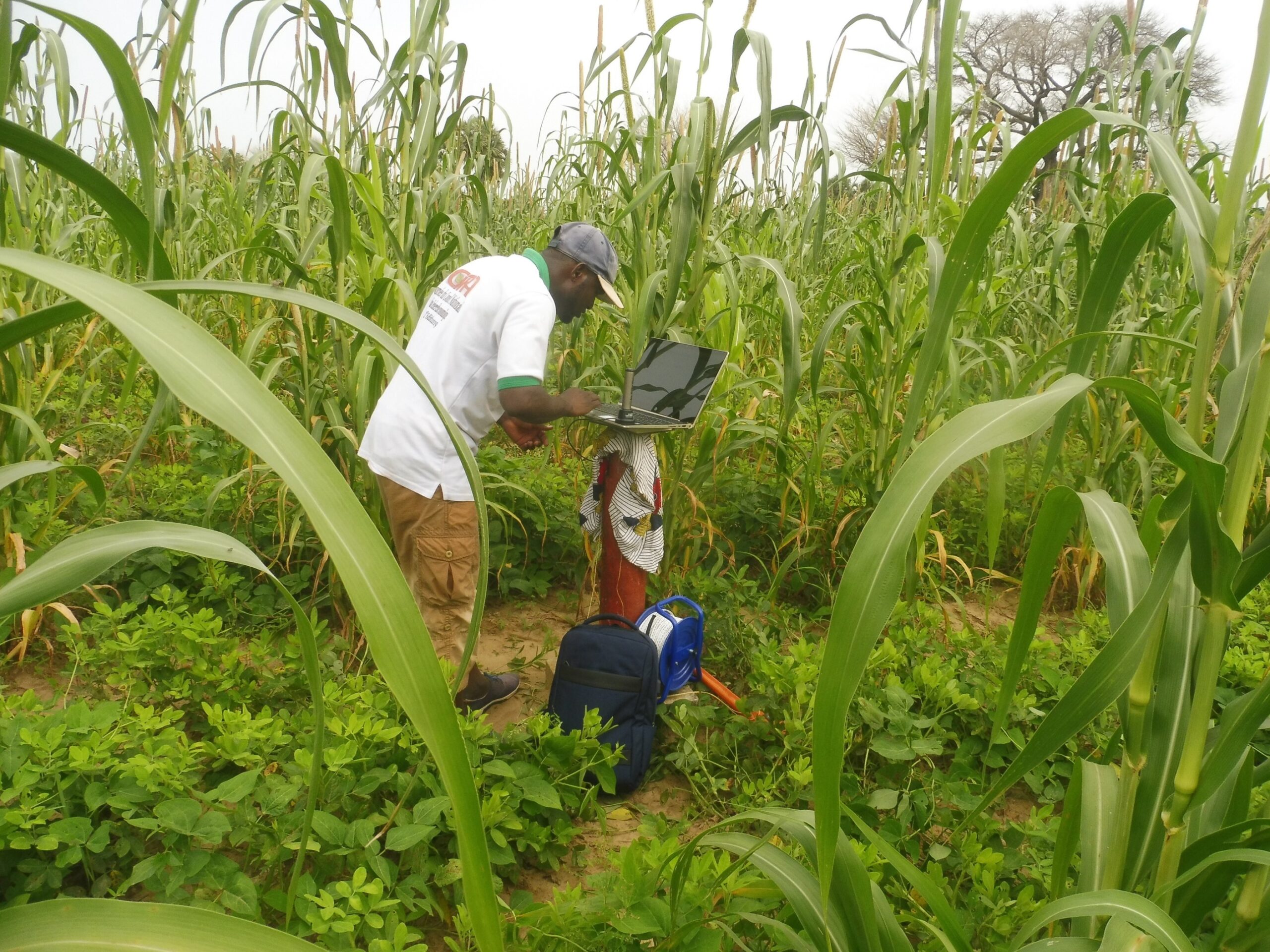
Community Monitoring Network
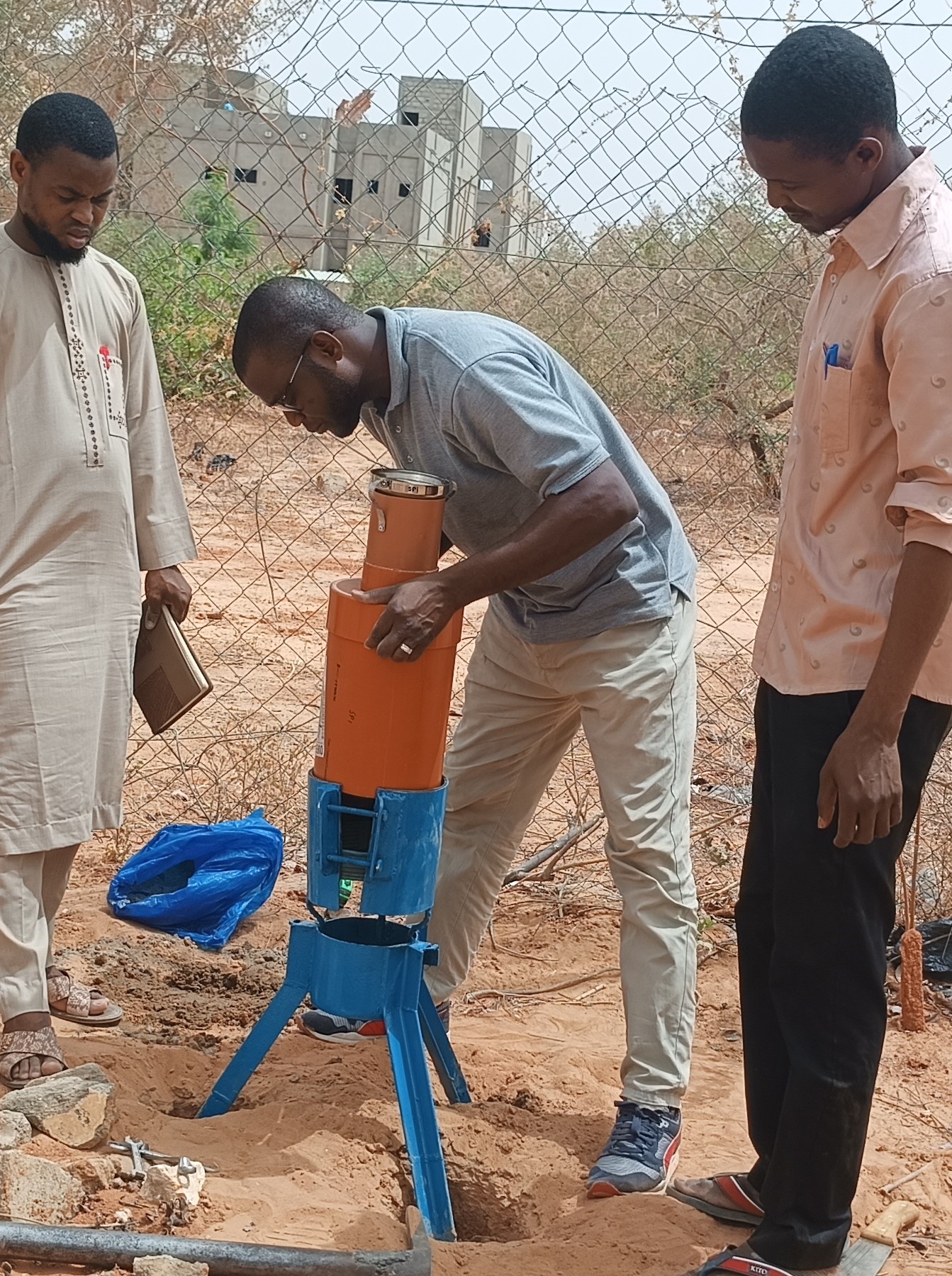
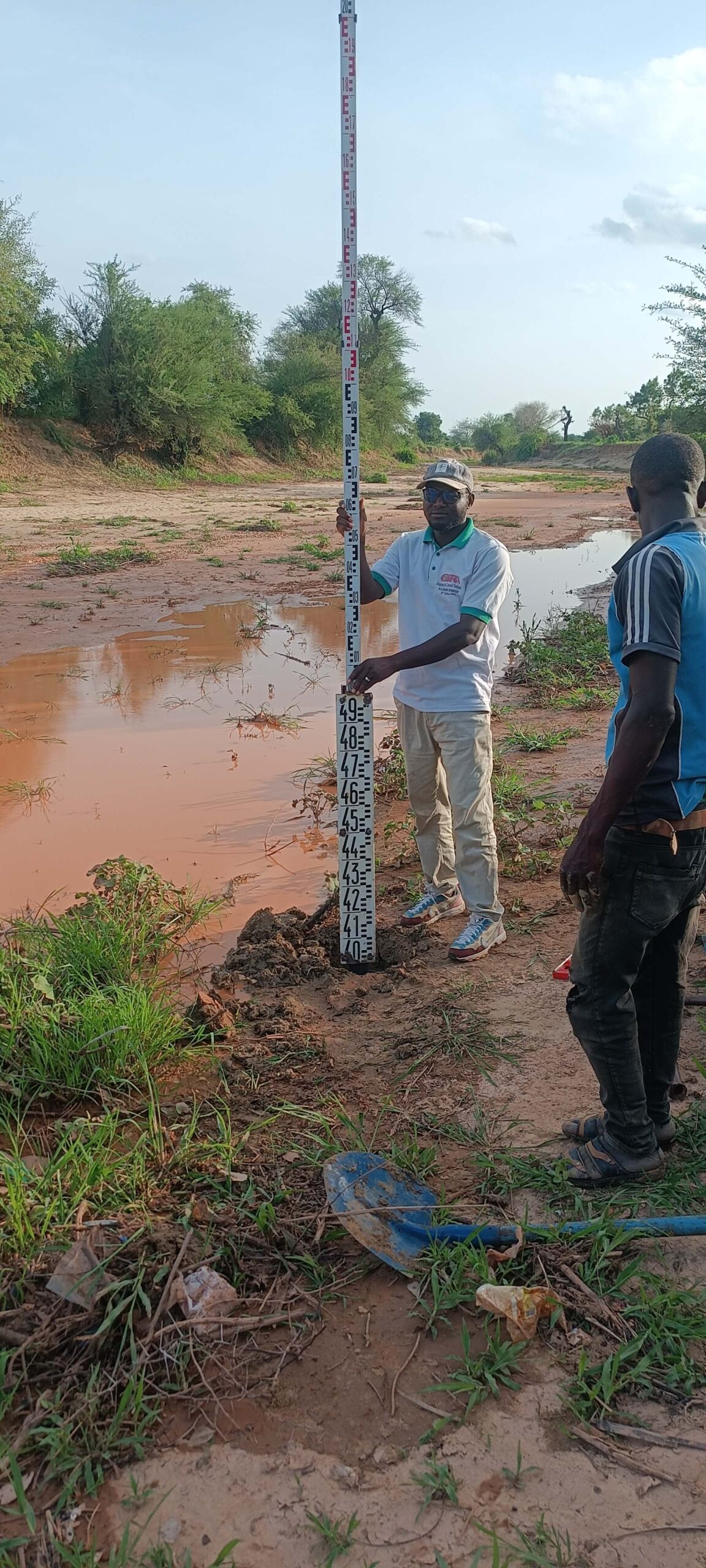
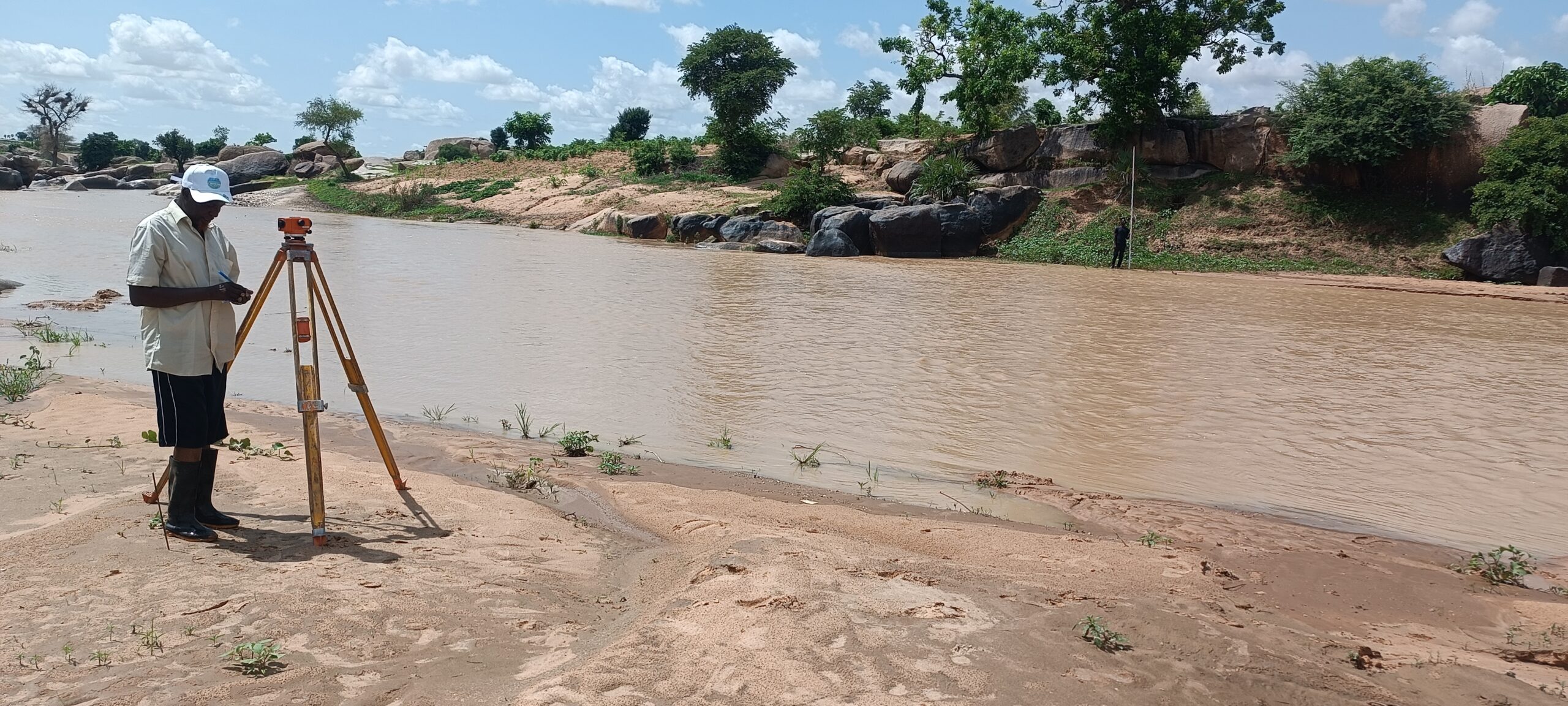
Installed manual gauge stations with local maintenance, feeding into a bilingual (French/Hausa) dashboard.
Key Impacts & Statistics
20 % projected uplift
in recharge under optimized dam schedule.
First cross‑border draft protocol
endorsed for further negotiation by both national ministries.
Over 100 community monitors
trained in water‑level surveying.