
Co-creating equitable,
sustainable water futures
in tropical drylands.
About Us
Climate Resilient Futures is an international research consortium of physical and social scientists, community practitioners and local partners.
We study water management and climate adaptation in tropical drylands through on-the-ground “Transformation Labs“.
Combining community-led monitoring and video diaries with groundwater science, modelling and policy engagement, we co-design and test practical, equitable solutions that empower marginalised groups and inform policy at scale.

Transformation Labs (T‑Labs)
Each T‑Lab is a living laboratory – bringing together farmers, scientists, local leaders, and policymakers to map problems, test solutions, and build tools that can scale across other dryland regions.
Over 2 billion people live in drylands
These regions are the hardest hit by drought, land degradation, and extreme weather. Ensuring resilient water supplies here is crucial for food security, livelihoods, and ecosystem health.
Explore Our Transformation Labs
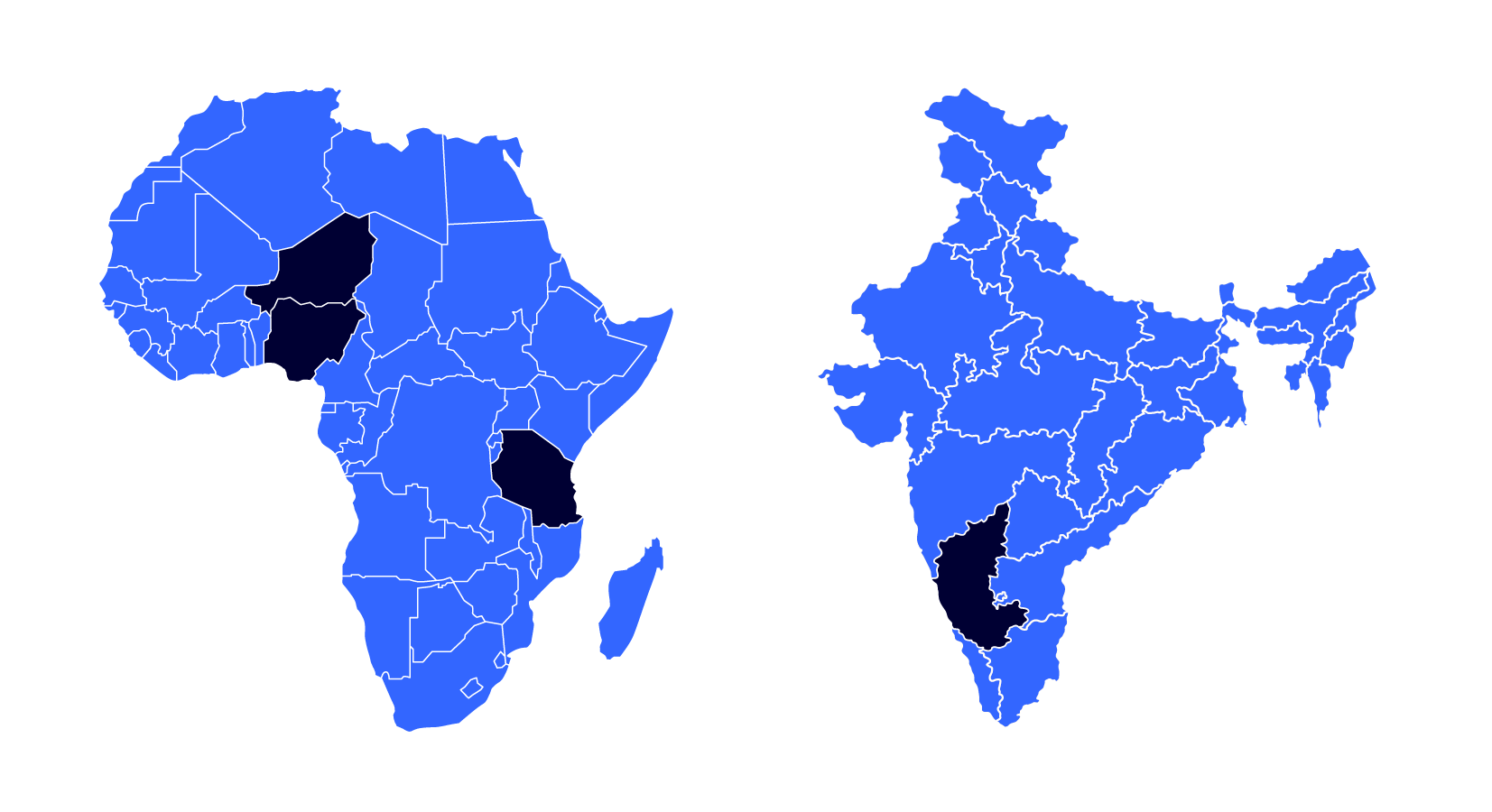

Maradi, Niger – Katsina, Nigeria
Transboundary river flow and groundwater sustain water for drinking, irrigation and herding under erratic rainfall.
Dodoma, Tanzania
Rapidly growing water demand for the national capital is twice the capacity of current wellfields.
Chintamani–Chikkaballapur, India
Integrated demand‑management, solarisation, and recharge in crystalline aquifers.
Raichur, India
Canal inequities and groundwater salinity drive distress migration, yet new automation and equitable models offer hope.
Positioning for change
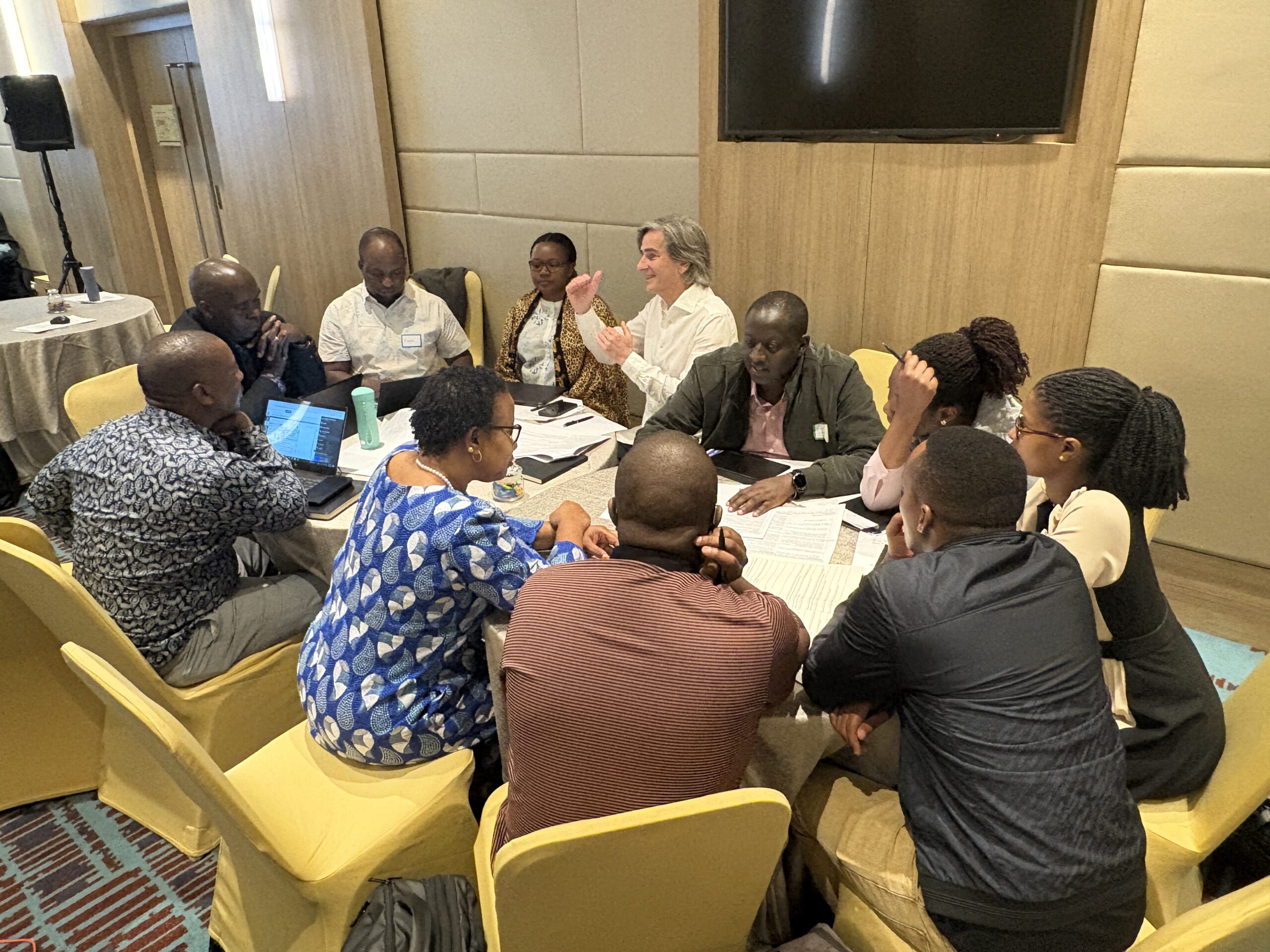
Transformation Labs are engaging and convening water users and authorities to drive equitable and evidence-supported water policy and practice.
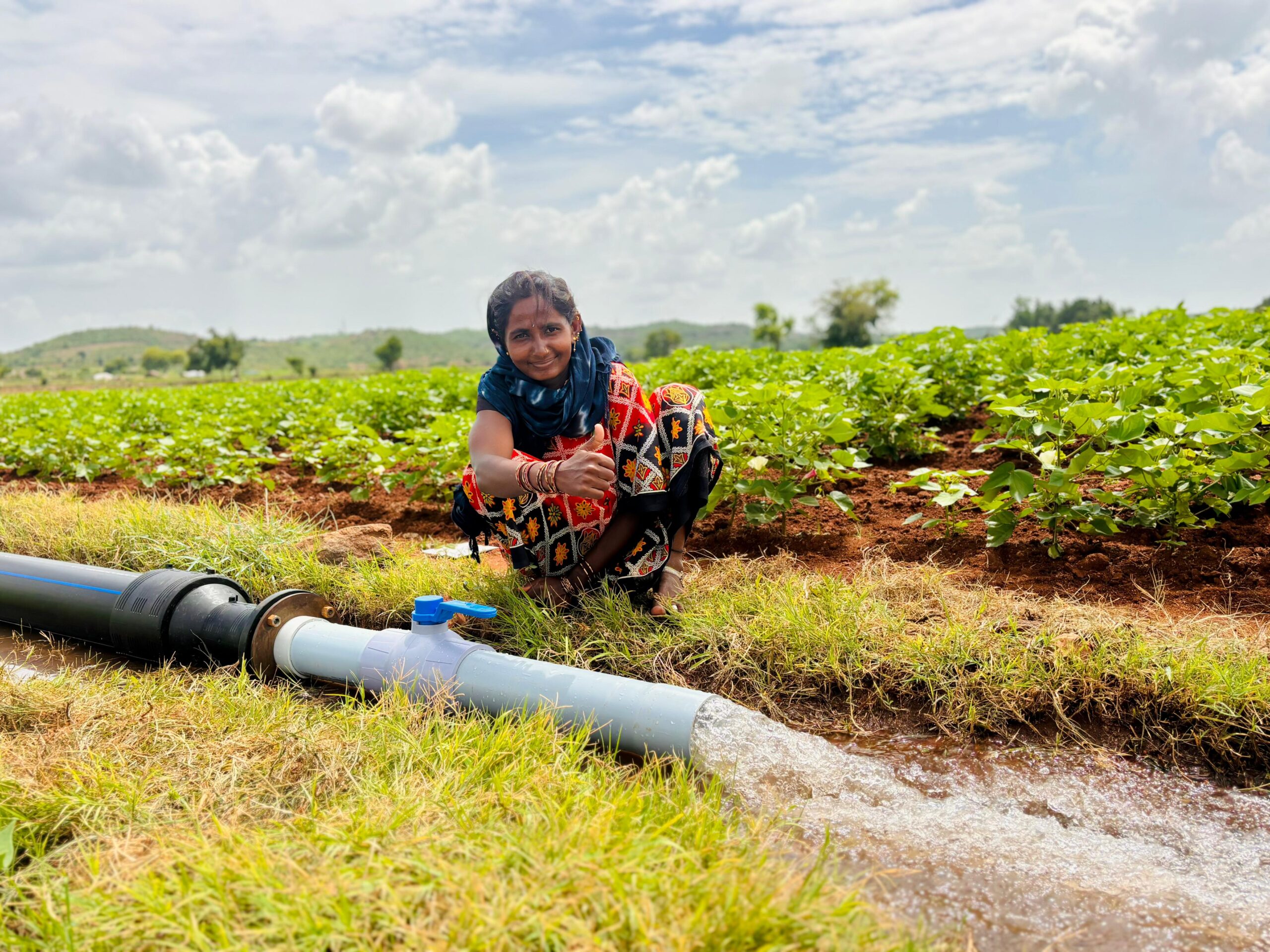
Context-relevant models and innovative, locally generated data on water resources and climate across the T-Labs are helping decision-makers analyse water pathways and options to support better water futures.
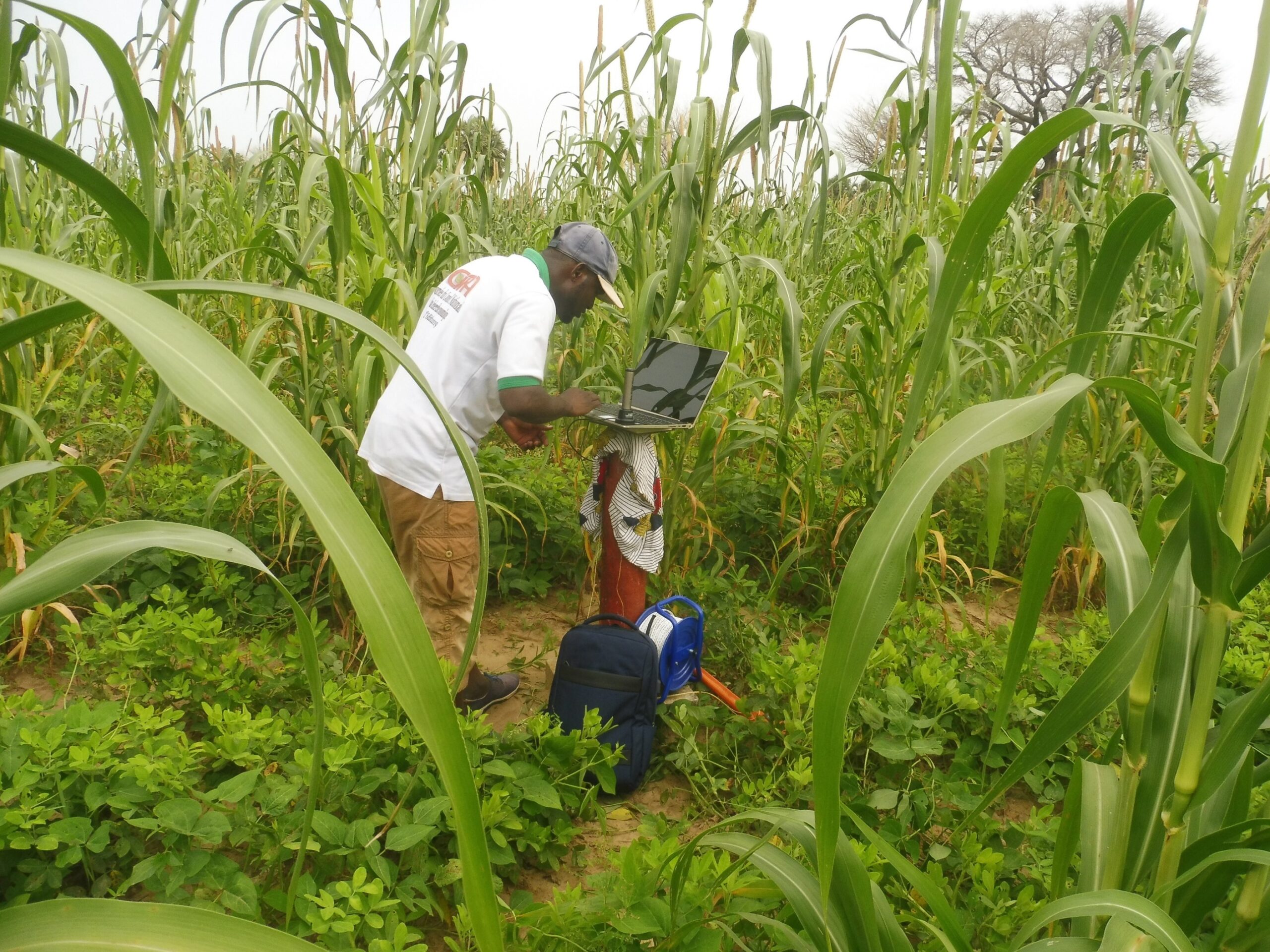
By rapidly testing solutions focused on adapting to water stress while keeping an eye on long term water pathways, we are generating actionable insights for all tropical drylands to secure more equitable and climate resilient water futures.
Core Resilience Capacities
By strengthening the four core capacities in tandem, we move from just surviving droughts to thriving despite, and even because of climate variability.
Absorptive
The ability of communities and ecosystems to withstand shocks (e.g. using groundwater storage to buffer drought).
Adaptive
The capacity to adjust practices like changing cropping patterns or water‑use rules to cope with evolving water availability.
Transformative
The skill to fundamentally change systems or institutions, for example by adopting new governance models or large‑scale managed aquifer recharge.
Anticipative
The foresight to prepare before crises hit, through early‑warning systems, seasonal forecasts, or serious‑game simulations that help stakeholders plan for extreme events.
Insights & Publications
Stay informed with our latest research, stories, and tools.
Get access to in‑field video diaries, data‑driven model explainers and publications.
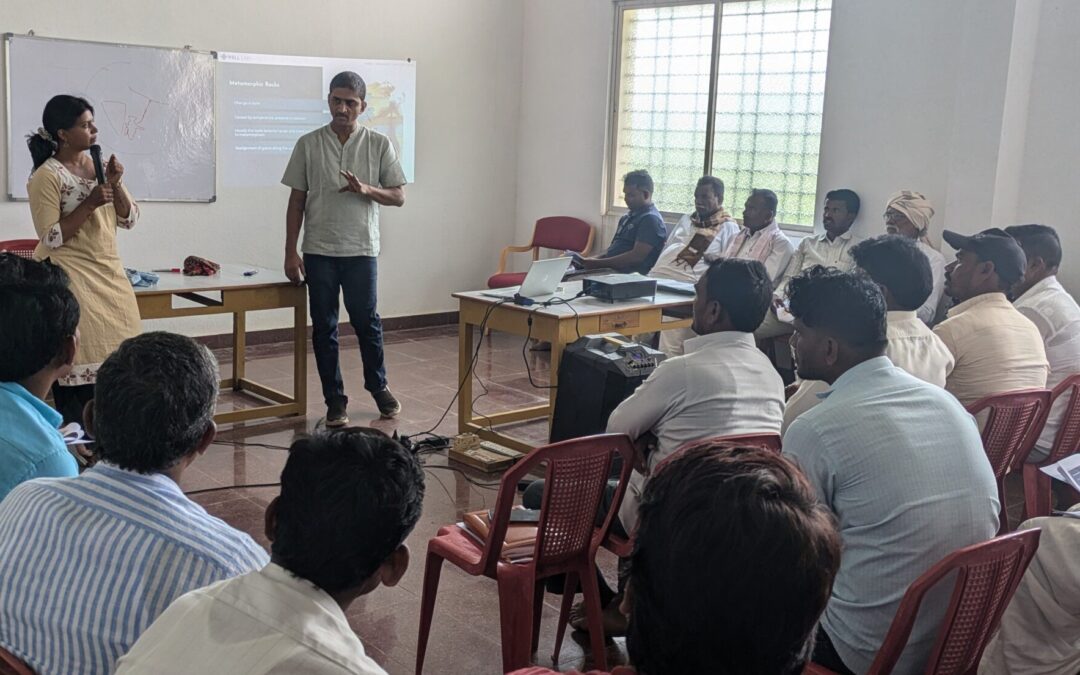
Bridging Knowledge & Action: The Community Hydrology Approach (WELL Labs)
How WELL Labs’ community hydrology programme trains local monitors and turns village data into better water decisions in Raichur.
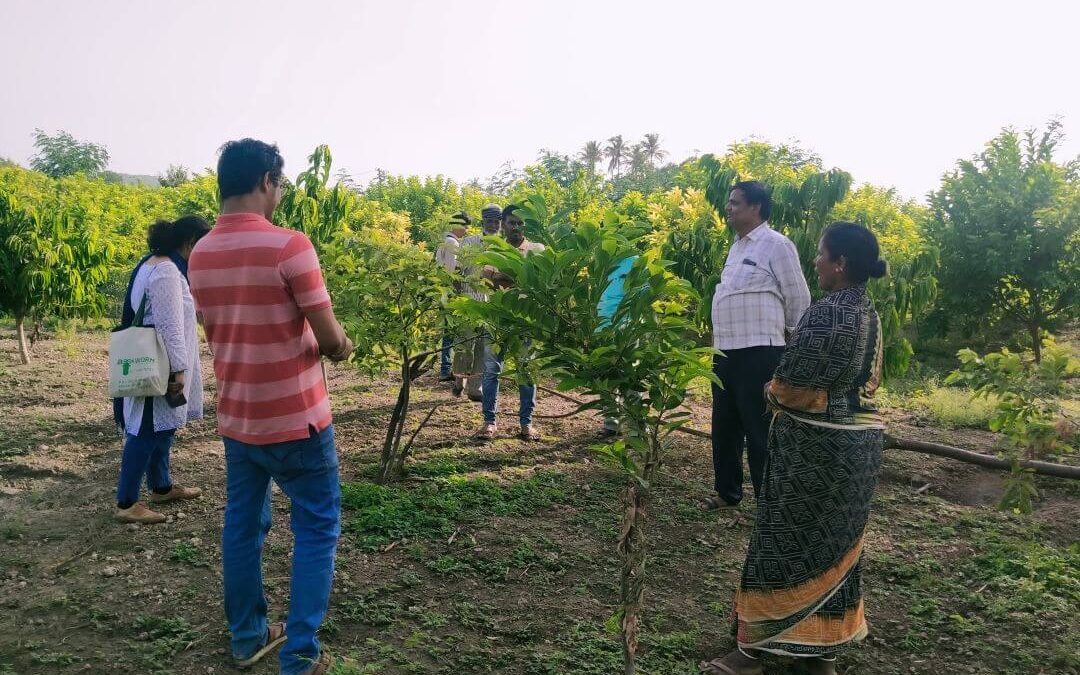
Addressing the Labour Barrier in the Transition to Crop Diversification (WELL Labs)
Practical findings from Devadurga (Raichur) on how mechanisation, collectives and gender-sensitive approaches can unlock crop diversification.
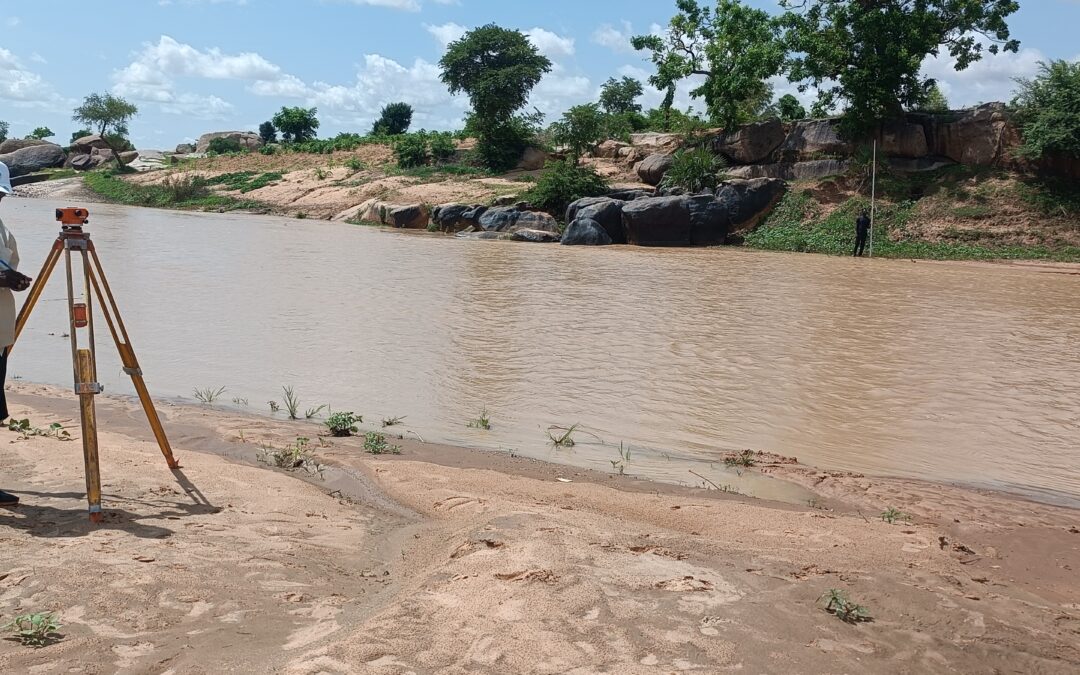
Rapid Groundwater decline and some cases of recovery in aquifers globally
A concise, accessible summary of the new study by Jasechko, Shamsudduha & Taylor et al. (2024) with practical implications for monitoring, governance and T-Lab action.
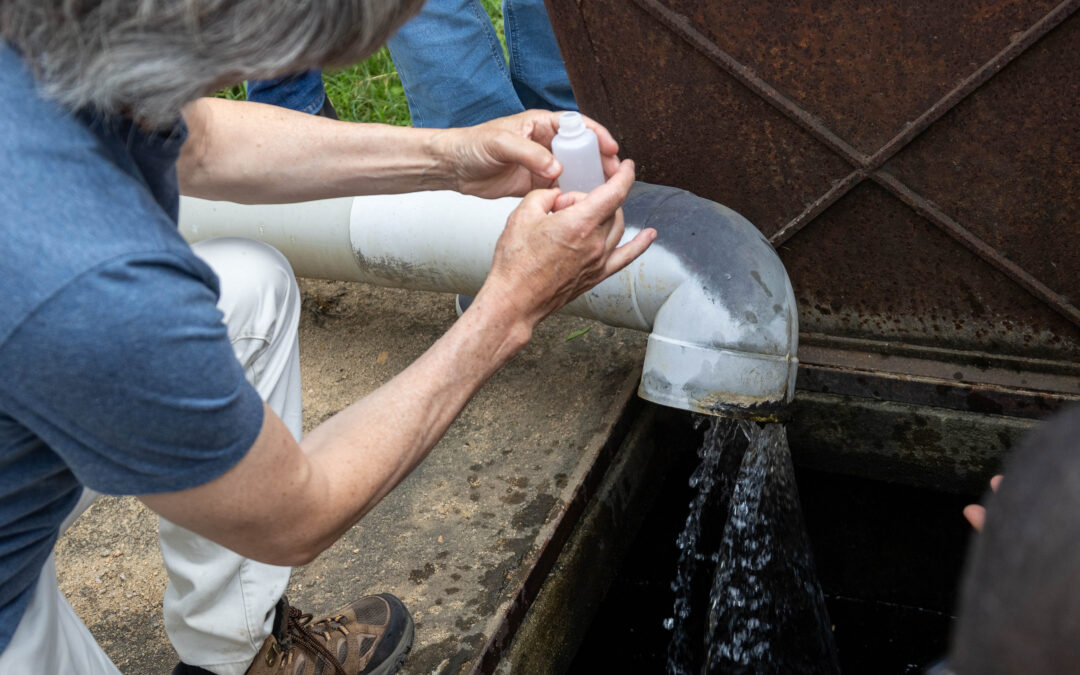
Concerns on the Groundwater Earth System Boundary: Scientific Debate & Implications for Drylands
Experts debate a proposed global groundwater boundary—what it means for monitoring, justice and local groundwater policy in drylands.
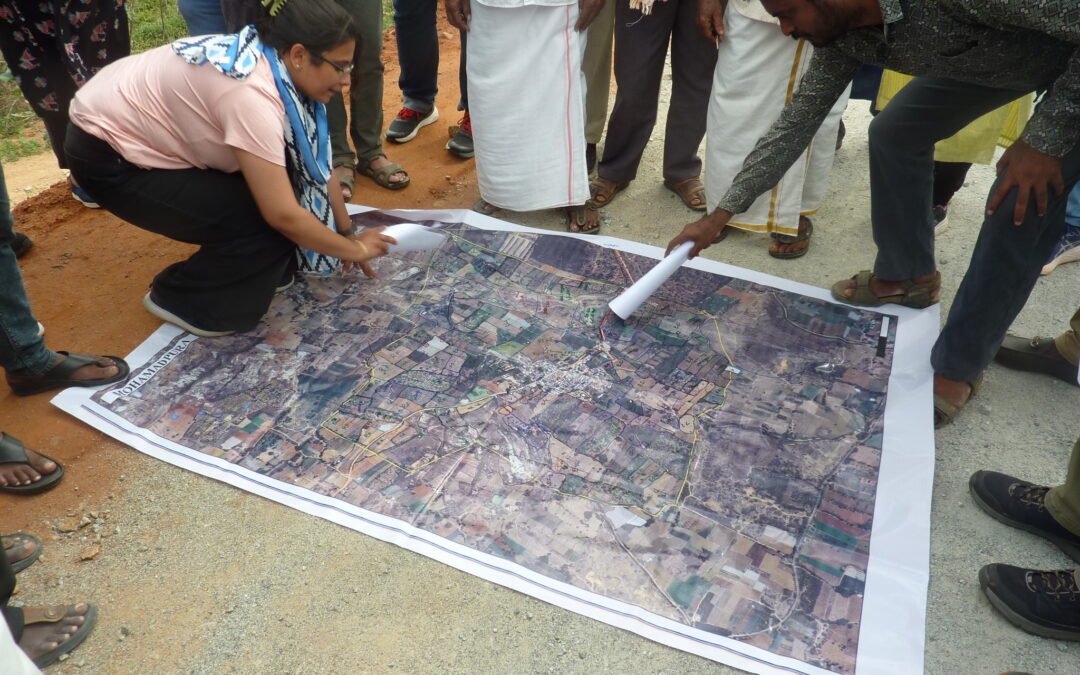
Getting Better at Mapping the Story of Water in Tropical Drylands
How participatory mapping, e-PRA and remote sensing are being combined across T-Labs to make water visible and actionable.
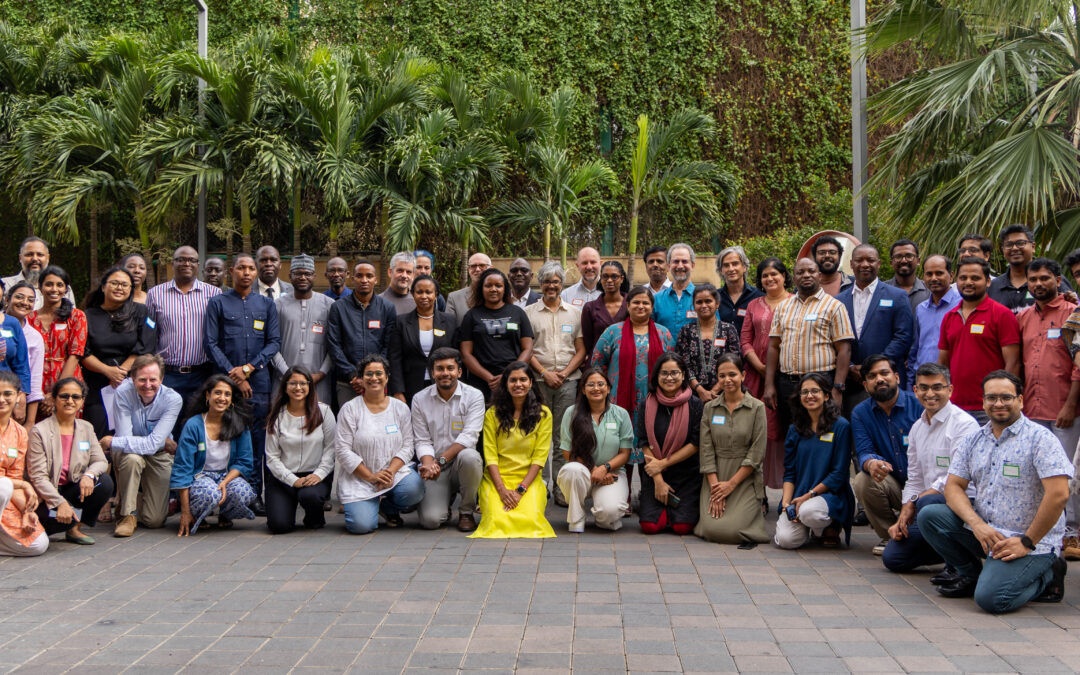
Synthesis of T-Lab Learnings: Methods, Insights and Solutions
Cross-T-Lab synthesis from CLARITY’s 2025 annual meet — methods, model choices, gender frameworks and emerging pathways.